
When you think about self-defense in schools, it’s essential to understand the legal framework that governs such situations. The laws surrounding self-defense can vary significantly from one jurisdiction to another, but they generally share common principles. In most cases, self-defense is legally justified when an individual believes they are facing an imminent threat of harm.
This belief must be reasonable, meaning that a typical person in the same situation would perceive the threat similarly. In a school setting, this can become complex due to the presence of minors, the duty of care owed by school staff, and the specific policies that schools implement to maintain safety. As a student or educator, you should be aware that the legal implications of self-defense can extend beyond the immediate incident.
If you find yourself in a situation where you feel compelled to defend yourself, the aftermath can involve law enforcement, school administration, and potentially legal proceedings. Understanding your rights and responsibilities in these scenarios is crucial. Schools often have protocols for reporting incidents and may conduct investigations that could affect your standing within the school community.
Therefore, being informed about the legal perspective on self-defense is not just about knowing when you can act; it’s also about understanding the potential consequences of those actions.
Key Takeaways
- Self defense in schools is legally permissible under certain circumstances, but it is important to understand the legal perspective and limitations.
- Self defense is defined as the use of force to protect oneself or others from harm, but it must be proportional to the threat and necessary to prevent harm.
- Justifiable use of force in self defense includes the reasonable belief of an immediate threat and the absence of other options to avoid harm.
- School policies and regulations play a crucial role in shaping the approach to self defense and the use of force in school settings.
- Properly responding to an immediate threat involves assessing the situation, seeking safety, and using self defense techniques only as a last resort.
Understanding the Definition of Self Defense
Self-defense is often defined as the right to protect oneself from physical harm. However, this definition can be nuanced, especially in a school environment where interactions are frequent and varied. You might think of self-defense as a reaction to an immediate threat, but it also encompasses the idea of proportionality.
This means that your response should be appropriate to the level of threat you perceive. For instance, if someone pushes you, responding with physical violence may not be considered justifiable self-defense; instead, it could escalate the situation unnecessarily. In schools, where conflicts can arise from misunderstandings or emotional outbursts, understanding what constitutes self-defense is vital.
You should recognize that self-defense is not just about physical altercations; it can also involve verbal confrontations or bullying situations. Knowing how to assert yourself verbally and de-escalate a situation can be just as important as knowing how to physically defend yourself. This broader understanding of self-defense can empower you to navigate conflicts more effectively and safely.
What Constitutes Justifiable Use of Force in Self Defense
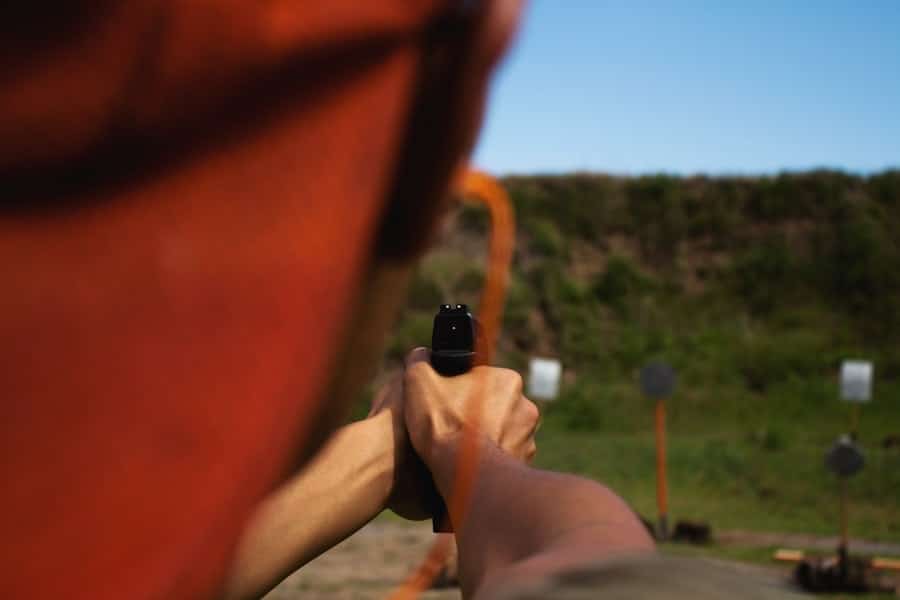
Determining what constitutes justifiable use of force in self-defense requires careful consideration of several factors. First and foremost, the perceived threat must be immediate and credible. If you feel that someone is about to harm you or has already initiated an attack, your instinct may be to defend yourself.
However, the level of force you use must be proportional to the threat faced. For example, if someone is verbally threatening you but not physically attacking, responding with physical force may not be justified. Additionally, context plays a significant role in assessing justifiable use of force.
In a school setting, there are often additional layers of complexity due to the presence of authority figures like teachers and administrators. You should consider whether there are alternative ways to handle the situation before resorting to physical defense. Engaging in dialogue or seeking help from a trusted adult can often defuse a tense situation without escalating it further.
Understanding these nuances can help you make informed decisions when faced with potential threats.
The Role of School Policies and Regulations
School policies and regulations are designed to create a safe environment for all students and staff. These policies often outline specific procedures for handling conflicts and threats, which can significantly influence how self-defense situations are managed. As a student or educator, familiarizing yourself with these policies is crucial.
They typically include guidelines on reporting incidents, engaging with law enforcement, and the consequences for various actions taken during conflicts. Moreover, school policies may also dictate how self-defense is perceived within the institution. For instance, some schools may have a zero-tolerance policy for violence, which could impact how an incident is viewed even if it was a legitimate act of self-defense.
Understanding these policies can help you navigate potential conflicts more effectively and ensure that you are acting within the framework established by your school. It’s essential to recognize that while self-defense may be legally justified, school policies may impose additional consequences that could affect your academic and social standing.
How to Properly Respond to an Immediate Threat
When faced with an immediate threat in a school setting, your response can significantly impact the outcome of the situation. The first step is to assess the threat level quickly; this involves determining whether you are in immediate danger and what options are available for escape or de-escalation. If possible, removing yourself from the situation should be your priority.
Running away or seeking help from a teacher or security personnel can often be more effective than engaging in physical confrontation. If escape is not an option and you feel that you must defend yourself, remember that your response should be measured and proportional to the threat you face. Using physical force should always be a last resort; instead, consider using verbal assertiveness to communicate your boundaries clearly.
Phrases like “Stop!” or “Leave me alone!” can sometimes defuse a situation without escalating it further. Additionally, being aware of your surroundings and potential escape routes can provide you with options that may not involve confrontation at all.
The Importance of De-escalation Techniques

De-escalation techniques are invaluable tools for managing conflicts before they escalate into violence. As a student or educator, learning these techniques can empower you to handle tense situations more effectively. De-escalation involves using communication skills and body language to reduce tension and promote understanding between conflicting parties.
For instance, maintaining a calm demeanor and using a soft tone can help diffuse anger and aggression. Active listening is another critical component of de-escalation. When someone feels heard and understood, they are less likely to react defensively or aggressively.
By acknowledging their feelings and concerns, you create an environment conducive to resolution rather than conflict. Practicing these techniques not only helps in immediate situations but also fosters a culture of respect and understanding within your school community.
Potential Consequences of Using Self Defense in Schools
While self-defense may be legally justified in certain situations, it’s essential to recognize that there can be significant consequences for using force in schools. Even if your actions are deemed justifiable under the law, school policies may impose disciplinary measures that could affect your academic record or social standing. For instance, engaging in a physical altercation—even if it was in self-defense—could lead to suspension or expulsion depending on the severity of the incident and the school’s policies.
Additionally, there may be emotional repercussions following an incident involving self-defense. You might experience feelings of guilt or anxiety after having to defend yourself physically, even if it was necessary at the moment. These emotional consequences can impact your mental health and overall well-being.
It’s crucial to seek support from trusted adults or counselors who can help you process these feelings and navigate any aftermath related to the incident.
The Role of Law Enforcement in School Safety
Law enforcement plays a critical role in maintaining safety within schools, particularly when it comes to incidents involving self-defense or violence. Many schools have resource officers who are trained to handle conflicts and ensure a safe environment for students and staff alike. If you find yourself in a situation where self-defense becomes necessary, involving law enforcement may be appropriate—especially if there is an ongoing threat or if injuries occur.
However, it’s important to understand how law enforcement interacts with school policies and student rights. In some cases, involving police can escalate tensions rather than resolve them; therefore, knowing when and how to engage law enforcement is crucial. You should also be aware of your rights during interactions with law enforcement officers on school grounds, as these encounters can have lasting implications for students involved.
The Impact of Self Defense Training in Schools
Self-defense training programs in schools can provide students with valuable skills that extend beyond physical defense techniques. These programs often emphasize conflict resolution, communication skills, and situational awareness—tools that are essential for navigating various social interactions safely and effectively. By participating in such training, you not only learn how to protect yourself but also how to avoid potentially dangerous situations altogether.
Moreover, self-defense training fosters confidence among students. When you feel empowered with knowledge about how to handle threats or conflicts, you are more likely to approach situations calmly rather than react impulsively out of fear or anxiety. This confidence can translate into other areas of your life as well—improving your overall sense of security and well-being within the school environment.
Supporting Students in Understanding Self Defense Rights and Responsibilities
Educating students about their rights and responsibilities regarding self-defense is crucial for fostering a safe school environment. Schools should implement programs that inform students about what constitutes self-defense legally and ethically while also emphasizing the importance of non-violent conflict resolution strategies. By providing this education early on, students will be better equipped to handle conflicts responsibly when they arise.
Additionally, creating open lines of communication between students and staff regarding self-defense issues is vital. Encouraging students to ask questions and express concerns about their safety can help build trust within the school community. When students feel supported by their educators regarding their rights and responsibilities related to self-defense, they are more likely to engage positively with their peers and seek help when needed.
Creating a Safe and Inclusive School Environment
Ultimately, creating a safe and inclusive school environment requires collaboration among students, educators, parents, and law enforcement agencies. Everyone has a role to play in fostering a culture where conflicts are resolved peacefully rather than through violence or intimidation. This involves implementing comprehensive anti-bullying programs, promoting diversity and inclusion initiatives, and ensuring that all students feel valued and respected within their school community.
As an individual within this community—whether as a student or educator—you have the power to contribute positively toward this goal by modeling respectful behavior and advocating for others’ rights. By working together toward creating an environment where everyone feels safe expressing themselves without fear of violence or retribution, we can cultivate schools that prioritize well-being over conflict—a vision worth striving for in today’s educational landscape.
In the ongoing discussion about self-defense policies in educational settings, it’s important to consider the broader implications of self-defense tools and their appropriate use. For instance, an article on self-defense tools for the elderly highlights the significance of personal safety measures, which can also be relevant in school environments. You can read more about this topic in the article Self Defense Tools for the Elderly: Independence with Safety.
FAQs
What is self-defense?
Self-defense is the right to protect oneself from harm or danger. It involves using reasonable force to defend against an imminent threat.
Is self-defense allowed in schools?
Self-defense is allowed in schools in certain situations. Many schools have policies that allow students to use self-defense if they are in immediate danger and have no other means of escape.
What are the limitations of self-defense in schools?
The limitations of self-defense in schools vary by location and school policies. Generally, self-defense should be used as a last resort and the force used should be proportional to the threat.
What should students do if they need to use self-defense in school?
Students should familiarize themselves with their school’s policies on self-defense and report any incidents to school authorities. It is important for students to understand when it is appropriate to use self-defense and to seek help from teachers or administrators when necessary.
Are there any legal consequences for using self-defense in schools?
The legal consequences for using self-defense in schools depend on the specific circumstances and the laws of the jurisdiction. In some cases, students may be protected from legal consequences if they can demonstrate that their use of force was justified.