
In today’s world, the importance of self-defense training cannot be overstated, especially in a vibrant community like Frisco, Texas. As crime rates fluctuate and personal safety becomes a growing concern, equipping yourself with self-defense skills is not just a luxury but a necessity. You may find that self-defense training empowers you to navigate your environment with greater confidence and awareness.
It’s not merely about learning how to fight; it’s about understanding how to protect yourself and those you care about in potentially dangerous situations. Moreover, self-defense training fosters a sense of community. In Frisco, where neighborhoods are closely knit, participating in self-defense classes can help you connect with others who share similar concerns about safety.
You’ll find that these classes often create a supportive atmosphere where individuals can learn from one another while building camaraderie. This shared experience can enhance your sense of belonging and security within your community, making self-defense training an essential aspect of life in Frisco.
Key Takeaways
- Self-defense training in Frisco Tx is important for personal safety and security.
- Fitness and self-protection are interconnected, making self-defense training essential for overall well-being.
- Finding the right self-defense program in Frisco Tx is crucial for effective and comprehensive training.
- Self-defense training offers both physical and mental benefits, improving confidence and empowerment.
- Incorporating self-defense techniques into your fitness routine can enhance overall fitness and health.
How Fitness and Self-Protection Go Hand in Hand
When you think about self-defense, it’s easy to focus solely on the techniques and strategies involved. However, the connection between fitness and self-protection is profound. Engaging in regular physical activity not only enhances your ability to defend yourself but also improves your overall health and well-being.
As you build strength, agility, and endurance through fitness training, you’ll find that these attributes directly translate into your self-defense capabilities. You’ll be better prepared to react quickly and effectively in high-pressure situations. Additionally, fitness plays a crucial role in boosting your confidence.
When you commit to a regular exercise routine, you’ll notice improvements in your physical appearance and stamina, which can significantly impact your self-esteem. This newfound confidence can be invaluable when it comes to self-defense; feeling strong and capable can deter potential threats before they even arise. By integrating fitness into your self-defense training, you create a holistic approach that not only prepares you for physical confrontations but also enhances your mental resilience.
Finding the Right Self-Defense Program in Frisco, TX

Choosing the right self-defense program is essential for maximizing your training experience. In Frisco, you have a variety of options available, ranging from martial arts studios to community centers offering specialized classes. To find the program that best suits your needs, consider what you hope to achieve through your training.
Are you looking for practical techniques that can be applied in real-life situations, or are you more interested in the discipline and philosophy behind martial arts? Understanding your goals will help you narrow down your choices. Once you have a clear idea of what you want, take the time to research different programs.
Look for reviews and testimonials from past participants to gauge the effectiveness of the training offered. Additionally, consider visiting classes or workshops to get a feel for the instructors and their teaching styles. A good instructor will not only teach you techniques but also foster an environment of respect and encouragement.
By investing time in finding the right program, you’ll set yourself up for success on your self-defense journey.
The Physical and Mental Benefits of Self-Defense Training
Self-defense training offers a wealth of physical benefits that extend beyond mere combat skills. As you engage in regular practice, you’ll notice improvements in your strength, flexibility, and coordination. These physical enhancements can lead to better overall health and fitness levels, making everyday activities easier and more enjoyable.
Furthermore, the cardiovascular workouts often associated with self-defense training can help improve your heart health and increase your stamina. On the mental side, self-defense training can be incredibly empowering. As you learn new techniques and overcome challenges during practice, you’ll develop a sense of accomplishment that can boost your self-esteem.
This newfound confidence can spill over into other areas of your life, helping you tackle challenges with a more positive mindset. Additionally, the focus required during training can serve as a form of mindfulness, allowing you to clear your mind of distractions and stressors. This mental clarity is invaluable in today’s fast-paced world.
Incorporating Self-Defense Techniques into Your Fitness Routine
Integrating self-defense techniques into your existing fitness routine can enhance both your physical conditioning and personal safety skills. You might start by incorporating basic movements from martial arts or self-defense classes into your workouts. For instance, practicing footwork drills or shadowboxing can improve your agility while also familiarizing you with essential defensive maneuvers.
This approach allows you to build muscle memory without needing to attend formal classes every day. Moreover, consider setting specific goals related to self-defense within your fitness regimen. For example, you could aim to improve your striking power or increase your endurance for longer sparring sessions.
By tracking your progress in these areas, you’ll not only stay motivated but also see tangible improvements in both your fitness levels and self-defense capabilities. This dual focus on fitness and self-protection creates a well-rounded approach that benefits both body and mind.
Understanding the Different Types of Self-Defense Techniques
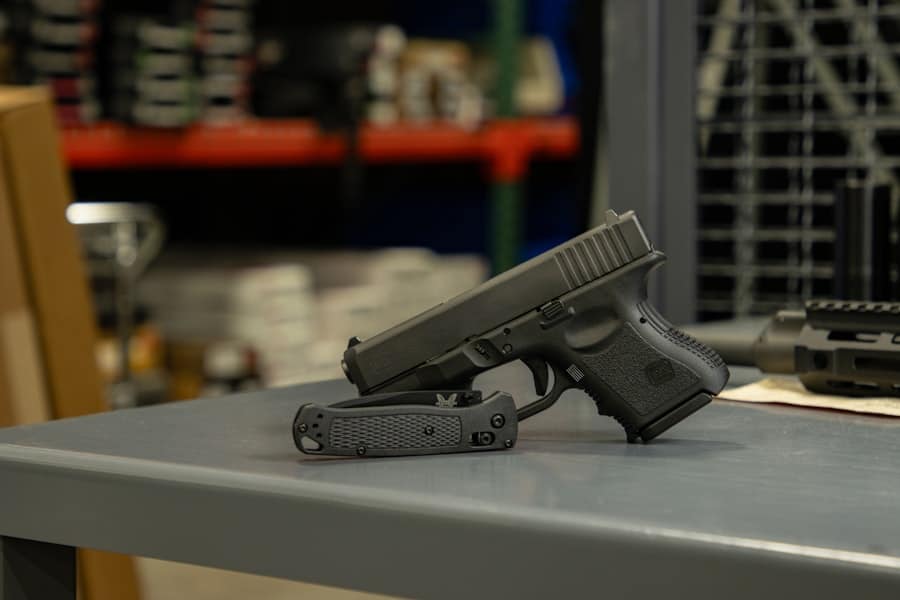
Self-defense encompasses a wide range of techniques and philosophies, each with its unique advantages. Familiarizing yourself with these different styles can help you choose the one that resonates most with you. For instance, Brazilian Jiu-Jitsu emphasizes ground fighting and grappling techniques, making it effective for controlling an opponent without relying on brute strength.
On the other hand, Krav Maga focuses on practical techniques designed for real-world situations, emphasizing quick responses to threats. As you explore various self-defense techniques, consider what aligns best with your personal preferences and physical abilities. Some individuals may prefer striking arts like Muay Thai or boxing due to their emphasis on powerful punches and kicks.
Others might gravitate toward more fluid styles like Aikido or Tai Chi, which focus on using an opponent’s energy against them. Understanding these differences will empower you to make informed decisions about your training path.
Building Confidence and Empowerment through Self-Defense
One of the most significant benefits of self-defense training is the boost in confidence it provides. As you learn new skills and techniques, you’ll find yourself feeling more capable of handling challenging situations. This newfound confidence can permeate various aspects of your life—whether it’s speaking up in meetings at work or navigating social situations with ease.
The empowerment that comes from knowing you can defend yourself is transformative. Additionally, self-defense training fosters resilience. You’ll encounter challenges during practice—whether it’s mastering a difficult technique or sparring with a partner—and overcoming these obstacles builds mental toughness.
This resilience translates into everyday life as well; when faced with difficulties outside the dojo or gym, you’ll be better equipped to handle them with grace and determination.
The Role of Self-Defense in Personal Safety and Security
In an increasingly unpredictable world, personal safety is paramount. Self-defense training equips you with the skills necessary to protect yourself in various situations, whether you’re walking alone at night or facing an unexpected confrontation. By learning how to assess potential threats and respond appropriately, you’ll cultivate a heightened sense of awareness that can help prevent dangerous situations before they escalate.
Moreover, understanding self-defense principles can enhance your overall security mindset. You’ll learn how to identify safe routes when traveling or how to avoid risky situations altogether. This proactive approach not only keeps you safer but also instills a sense of control over your environment—an empowering feeling that can significantly reduce anxiety related to personal safety.
How Self-Defense Training Can Improve Overall Fitness and Health
Engaging in self-defense training is an excellent way to improve your overall fitness levels while simultaneously learning valuable skills. The physical demands of practicing techniques require strength, flexibility, and endurance—all key components of a well-rounded fitness regimen. As you train regularly, you’ll likely notice improvements in muscle tone and cardiovascular health as well.
Additionally, self-defense training often incorporates high-intensity interval training (HIIT) elements that can boost metabolism and promote weight loss. The combination of aerobic exercise with strength-building movements creates an efficient workout that maximizes calorie burn while enhancing functional fitness—skills that are beneficial both inside and outside the dojo or gym.
Self-Defense as a Form of Stress Relief and Mental Wellness
Incorporating self-defense training into your routine can serve as an effective outlet for stress relief. The physical exertion involved in practicing techniques allows you to release pent-up energy while providing a healthy distraction from daily worries. As you focus on mastering new skills or sparring with partners, you’ll find that stressors fade into the background—if only temporarily.
Moreover, the mental discipline required during training promotes mindfulness—a practice known for its numerous mental health benefits. By concentrating on each movement and technique, you’re engaging in a form of meditation that encourages relaxation and clarity of thought. This dual benefit of physical exertion combined with mental focus makes self-defense an excellent tool for enhancing overall well-being.
The Long-Term Impact of Self-Defense Training on Personal Well-Being
The long-term impact of self-defense training extends far beyond immediate physical benefits; it shapes your overall approach to life and personal well-being. As you continue to train over time, you’ll likely develop a deeper understanding of yourself—your strengths, weaknesses, and how to navigate challenges effectively. This journey fosters personal growth that transcends the dojo or gym.
Furthermore, the relationships built through self-defense training often lead to lasting friendships and support networks within your community. These connections provide additional layers of emotional support that contribute positively to mental health over time. Ultimately, committing to self-defense training is not just about learning how to protect yourself; it’s about investing in a healthier lifestyle that promotes confidence, resilience, and well-being for years to come.
In the realm of self-defense, the integration of fitness and self-protection is becoming increasingly popular, especially in places like Frisco, TX. This trend not only promotes physical health but also equips individuals with essential skills to protect themselves. For those interested in learning more about effective self-defense strategies, a related article titled 0 ){ var maf_after_1st_p_data = maf_decode_string(''); var maf_after_2nd_p_data = maf_decode_string(''); var maf_after_3rd_p_data = maf_decode_string(''); var maf_after_4th_p_data = maf_decode_string(''); var maf_after_5th_p_data = maf_decode_string(''); var maf_after_6th_p_data = maf_decode_string(''); var maf_after_7th_p_data = maf_decode_string(''); var maf_after_8th_p_data = maf_decode_string(''); var maf_after_9th_p_data = maf_decode_string(''); var maf_after_10th_p_data = maf_decode_string(''); var maf_after_every_p_data = maf_decode_string(''); var maf_after_last_p_data = maf_decode_string(''); } $(document).ready(function(){ if(maf_header_data.trim() !== ''){ $($('header')[0]).append(maf_header_data); } if(maf_below_header_data.trim() !== ''){ $($('header')[0]).after(maf_below_header_data); } if(maf_above_header_data.trim() !== ''){ $($('header')[0]).before(maf_above_header_data); } if(maf_footer_data.trim() !== ''){ $($('footer')[0]).append(maf_footer_data); } if(maf_after_footer_data.trim() !== ''){ $($('footer')[0]).after(maf_after_footer_data); } if(maf_above_footer_data.trim() !== ''){ $($('footer')[0]).before(maf_above_footer_data); } if(maf_above_post_title_data.trim() !== ''){ $($('.entry-title')[0]).before(maf_above_post_title_data); } if(maf_below_post_title_data.trim() !== ''){ $($('.entry-title')[0]).after(maf_below_post_title_data); } if(typeof $(all_p)[0] !== typeof undefined && maf_after_1st_p_data.trim() !== ''){ $($(all_p)[0]).append(maf_after_1st_p_data); } if(typeof $(all_p)[1] !== typeof undefined && maf_after_2nd_p_data.trim() !== ''){ $($(all_p)[1]).append(maf_after_2nd_p_data); } if(typeof $(all_p)[2] !== typeof undefined && maf_after_3rd_p_data.trim() !== ''){ $($(all_p)[2]).append(maf_after_3rd_p_data); } if(typeof $(all_p)[3] !== typeof undefined && maf_after_4th_p_data.trim() !== ''){ $($(all_p)[3]).append(maf_after_4th_p_data); } if(typeof $(all_p)[4] !== typeof undefined && maf_after_5th_p_data.trim() !== ''){ $($(all_p)[4]).append(maf_after_5th_p_data); } if(typeof $(all_p)[5] !== typeof undefined && maf_after_6th_p_data.trim() !== ''){ $($(all_p)[5]).append(maf_after_6th_p_data); } if(typeof $(all_p)[6] !== typeof undefined && maf_after_7th_p_data.trim() !== ''){ $($(all_p)[6]).append(maf_after_7th_p_data); } if(typeof $(all_p)[7] !== typeof undefined && maf_after_8th_p_data.trim() !== ''){ $($(all_p)[7]).append(maf_after_8th_p_data); } if(typeof $(all_p)[8] !== typeof undefined && maf_after_9th_p_data.trim() !== ''){ $($(all_p)[8]).append(maf_after_9th_p_data); } if(typeof $(all_p)[9] !== typeof undefined && maf_after_10th_p_data.trim() !== ''){ $($(all_p)[9]).append(maf_after_10th_p_data); } $(all_p).each(function(i,v){ if(maf_after_every_p_data.trim() !== ''){ $(v).append(maf_after_every_p_data); } }); if(typeof $(all_p).last() !== typeof undefined && typeof maf_after_last_p_data !== typeof undefined && maf_after_last_p_data.trim() !== ''){ $($(all_p).last()[0]).append(maf_after_last_p_data); } }); function maf_decode_string(str){ str = str.replace('\'',"'"); str = str.replace('\"','"'); return str; }