
In today’s world, the importance of self-defense classes for children cannot be overstated. As a parent, you may often worry about your child’s safety, especially as they navigate social situations and environments outside your supervision. Enrolling your child in self-defense classes equips them with essential skills that go beyond mere physical techniques.
These classes teach children how to assess situations, recognize potential threats, and respond appropriately. By learning self-defense, your child gains not only the ability to protect themselves but also the confidence to face challenges head-on. Moreover, self-defense classes foster a sense of empowerment in children.
They learn that they have the ability to control their own safety and well-being. This empowerment is crucial in building resilience and independence, qualities that will serve them well throughout their lives. As they practice various techniques and scenarios, they develop a mindset that encourages them to stand up for themselves and others.
In a world where bullying and peer pressure are prevalent, self-defense training can be a vital tool in helping your child navigate these challenges with confidence.
Key Takeaways
- Kids self defense classes are important for teaching children valuable skills to protect themselves and build confidence.
- In a kids self defense class, children can expect to learn basic self defense techniques, situational awareness, and how to recognize and avoid dangerous situations.
- Self defense training for kids can lead to benefits such as improved confidence, discipline, focus, and physical fitness.
- When finding the right self defense class for your child, it’s important to consider the instructor’s qualifications, class structure, and teaching approach.
- Confidence and empowerment play a crucial role in self defense, as they can help children stay calm and make smart decisions in dangerous situations.
What to Expect in a Kids Self Defense Class
When you enroll your child in a self-defense class, you can expect a structured environment where safety is prioritized. Classes typically begin with warm-up exercises to prepare the body for physical activity. Instructors will introduce basic techniques, focusing on movements that are easy for children to grasp.
You might find that the curriculum includes a mix of physical drills, role-playing scenarios, and discussions about personal safety. This variety keeps the classes engaging and ensures that your child remains interested in learning. As your child progresses, they will likely encounter more advanced techniques and strategies.
Instructors often emphasize the importance of situational awareness, teaching kids how to identify potential dangers before they escalate. You may notice that classes also incorporate discussions about emotional responses to fear or anxiety, helping children understand their feelings and how to manage them effectively. This holistic approach not only teaches physical skills but also nurtures emotional intelligence, making self-defense training a comprehensive experience.
Benefits of Self Defense Training for Kids
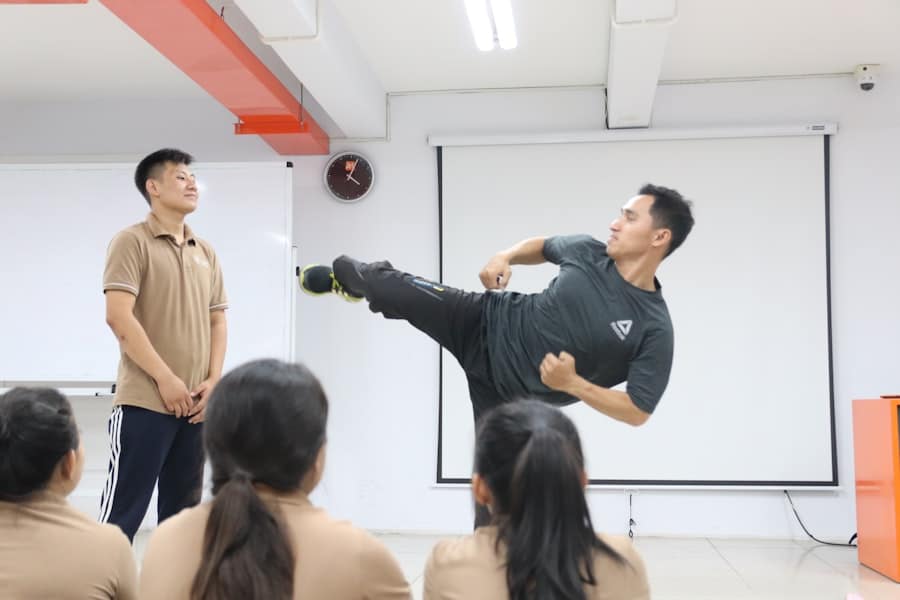
The benefits of self-defense training extend far beyond physical safety. One of the most significant advantages is the boost in self-esteem that children experience as they learn new skills. Mastering techniques and successfully applying them in practice builds a sense of accomplishment.
This newfound confidence often translates into other areas of their lives, such as academics and social interactions. You may find that your child becomes more assertive and willing to take on challenges outside of the dojo or training space. Additionally, self-defense training promotes physical fitness in a fun and engaging way.
Children are encouraged to move, stretch, and build strength while learning valuable skills. This active lifestyle can help combat issues like obesity and sedentary behavior, which are increasingly common among kids today. As your child participates in regular training sessions, you may notice improvements in their coordination, balance, and overall health.
The combination of physical activity and skill development creates a well-rounded experience that benefits both body and mind.
Finding the Right Self Defense Class for Your Child
Choosing the right self-defense class for your child can feel overwhelming given the variety of options available. Start by researching local programs that cater specifically to children. Look for classes that focus on age-appropriate techniques and emphasize safety.
You might want to visit different schools or studios to observe classes in action. Pay attention to the instructors’ teaching styles and how they interact with the students. A positive and encouraging environment is essential for fostering your child’s growth and comfort.
Another important factor to consider is the class size. Smaller classes often allow for more personalized attention, ensuring that your child receives adequate instruction and feedback. Additionally, inquire about the curriculum and whether it includes elements of conflict resolution and emotional management.
A well-rounded program will not only teach physical techniques but also equip your child with the tools to handle various situations thoughtfully and calmly.
The Role of Confidence and Empowerment in Self Defense
Confidence plays a pivotal role in self-defense training for kids. As they learn new skills and techniques, they begin to trust their abilities more deeply. This growing confidence can have a ripple effect on other aspects of their lives, from school performance to social interactions.
When children feel empowered, they are more likely to stand up for themselves and others, creating a positive impact on their peer relationships. You may notice that your child becomes more assertive in expressing their needs and boundaries. Empowerment also extends beyond physical skills; it encompasses emotional resilience as well.
Self-defense training teaches children how to manage fear and anxiety effectively. They learn that it’s okay to feel scared but that they have the tools to respond appropriately when faced with danger. This understanding fosters a sense of control over their circumstances, which is invaluable as they navigate various life challenges.
By instilling confidence and empowerment through self-defense training, you are providing your child with lifelong skills that will serve them well into adulthood.
How Self Defense Classes Can Improve Physical Fitness

Self-defense classes are an excellent way for children to improve their physical fitness while having fun. The dynamic nature of these classes often includes cardiovascular exercises, strength training, flexibility drills, and coordination activities. As your child engages in these workouts, they develop better overall fitness levels without even realizing it because they are focused on learning new skills rather than just exercising.
Moreover, regular participation in self-defense classes can help instill healthy habits early on. Children who engage in physical activity are more likely to continue leading active lifestyles as they grow older. You may find that your child develops an appreciation for fitness that extends beyond the dojo or training space, encouraging them to explore other sports or activities as well.
This foundation of physical fitness not only benefits their health but also enhances their performance in various aspects of life.
Teaching Kids to Recognize and Avoid Dangerous Situations
One of the most critical aspects of self-defense training is teaching children how to recognize and avoid dangerous situations before they escalate. Instructors often emphasize situational awareness, helping kids understand their surroundings and identify potential threats. This skill is invaluable as it empowers children to make informed decisions about their safety.
In addition to recognizing danger, self-defense classes often include discussions about conflict resolution strategies. Children learn how to de-escalate situations verbally or remove themselves from potentially harmful environments altogether. By equipping your child with these skills, you are helping them develop a proactive mindset toward safety rather than a reactive one.
This proactive approach can significantly reduce the likelihood of dangerous encounters in their daily lives.
Building Discipline and Focus Through Self Defense Training
Self-defense training requires discipline and focus—qualities that are essential for success both inside and outside the dojo. As your child learns new techniques, they must practice consistently to master them fully. This commitment fosters a sense of discipline that can translate into other areas of their life, such as schoolwork or extracurricular activities.
Moreover, self-defense classes often incorporate elements of mindfulness and concentration exercises. Children learn to focus on their movements and breathing while practicing techniques, which enhances their ability to concentrate in other settings as well. You may notice improvements in your child’s attention span and ability to stay engaged during tasks at school or home as they develop these skills through self-defense training.
The Difference Between Self Defense and Fighting
It’s essential to clarify the distinction between self-defense and fighting when discussing self-defense training for kids. While fighting often involves aggression and hostility, self-defense focuses on protecting oneself from harm without seeking confrontation. Instructors emphasize that self-defense is about using techniques only when necessary—primarily as a means of escape or protection rather than engaging in violence.
This understanding is crucial for children as they navigate social dynamics at school or in their communities. They learn that self-defense is not about proving strength or dominance but rather about ensuring personal safety while maintaining respect for others. By instilling this mindset through self-defense training, you help your child develop a healthy perspective on conflict resolution that prioritizes safety over aggression.
Incorporating Fun and Games into Self Defense Classes
To keep children engaged in self-defense training, many instructors incorporate fun activities and games into their lessons. These elements not only make learning enjoyable but also reinforce essential skills in an interactive way. For example, instructors might use obstacle courses or team-based challenges that require cooperation while practicing techniques.
By blending fun with education, children are more likely to remain motivated and excited about attending classes regularly. You may find that your child looks forward to each session as an opportunity not just to learn but also to socialize with peers in a supportive environment. This positive association with self-defense training can lead to long-term commitment and growth.
Choosing a Self Defense Class in Chandler, Arizona for Kids Ages 8-12
If you’re considering enrolling your child in a self-defense class in Chandler, Arizona, there are several factors to keep in mind as you search for the right program for kids ages 8-12. Start by researching local martial arts studios or community centers that offer specialized classes tailored for this age group. Look for programs with experienced instructors who have a background in teaching children.
Additionally, consider visiting potential schools or studios to observe classes firsthand before making a decision. Pay attention to how instructors interact with students and whether they create a positive learning environment focused on safety and respect. You may also want to read reviews from other parents or ask for recommendations from friends or family members who have experience with local programs.
In conclusion, enrolling your child in self-defense classes can provide them with invaluable skills that enhance their safety, confidence, physical fitness, discipline, and emotional resilience. By choosing the right program tailored specifically for kids ages 8-12 in Chandler, Arizona, you are taking an important step toward empowering your child with lifelong tools for success both on and off the mat.
If you’re considering enrolling your child in a self-defense class in Chandler, Arizona, for ages 8-12, it’s essential to also think about their overall safety and security. A related article that provides valuable insights on protecting valuables while traveling can be found here: Traveling with Valuables and Money. This resource can help you understand how to keep your child’s belongings safe, whether they’re heading to a self-defense class or any other activity.
FAQs
What is a kids self defense class?
A kids self defense class is a program designed to teach children essential skills and techniques to protect themselves in dangerous situations. These classes typically focus on building confidence, awareness, and physical self-defense skills.
What age group is the kids self defense class in Chandler, Arizona for?
The kids self defense class in Chandler, Arizona is specifically designed for children between the ages of 8 and 12.
What can children learn from a self defense class?
Children can learn a variety of skills from a self defense class, including basic self-defense techniques, situational awareness, verbal assertiveness, and confidence-building exercises.
Who teaches the kids self defense class in Chandler, Arizona?
The kids self defense class in Chandler, Arizona is typically taught by experienced instructors who specialize in self-defense training for children.
What are the benefits of enrolling a child in a self defense class?
Enrolling a child in a self defense class can help them develop confidence, discipline, and the ability to protect themselves in potentially dangerous situations. It can also improve physical fitness and overall well-being.