
In today’s fast-paced corporate environment, the safety and well-being of employees have become paramount. Corporate self-defense training is not merely a luxury; it is an essential component of a comprehensive workplace safety strategy. By equipping employees with self-defense skills, you empower them to handle potentially dangerous situations with confidence and poise.
This training fosters a culture of safety, where employees feel secure and valued, knowing that their employer is invested in their protection. Moreover, self-defense training can serve as a proactive measure against workplace violence, which, unfortunately, has become a reality in many organizations. Beyond the immediate benefits of personal safety, corporate self-defense training can also enhance overall workplace morale.
When employees feel safe, they are more likely to focus on their tasks and contribute positively to the company’s goals. This sense of security can lead to increased productivity and job satisfaction. Additionally, self-defense training can act as a unifying experience, bringing employees together as they learn and practice techniques in a supportive environment.
This shared experience can foster camaraderie and strengthen relationships among colleagues, ultimately contributing to a more cohesive workplace culture.
Key Takeaways
- Corporate self-defense training is important for workplace safety and employee confidence.
- Team building activities benefit corporations by improving communication, trust, and unity among employees.
- Self-defense training can improve employee confidence by teaching practical skills for self-protection.
- Communication and trust play a crucial role in team building, fostering a stronger sense of unity and camaraderie among employees.
- Corporate self-defense training has a significant impact on workplace safety, enhancing problem-solving skills and critical thinking.
The Benefits of Team Building Activities for Corporations
Team building activities are vital for fostering collaboration and enhancing interpersonal relationships within a corporate setting. These activities provide employees with opportunities to engage with one another outside of their usual work roles, allowing them to build trust and rapport. When you participate in team-building exercises, you break down barriers that may exist between departments or individuals, creating a more harmonious work environment.
This improved communication can lead to more effective teamwork and problem-solving, as employees learn to rely on one another’s strengths. Moreover, team-building activities can significantly boost employee morale. Engaging in fun and challenging tasks together can create lasting memories and strengthen bonds among team members.
When you invest time in team-building exercises, you demonstrate to your employees that you value their relationships and well-being. This investment can lead to increased loyalty and commitment to the organization, as employees feel more connected to their colleagues and the company’s mission. Ultimately, the benefits of team building extend beyond the activities themselves; they contribute to a positive corporate culture that encourages collaboration and innovation.
How Corporate Self Defense Training Can Improve Employee Confidence
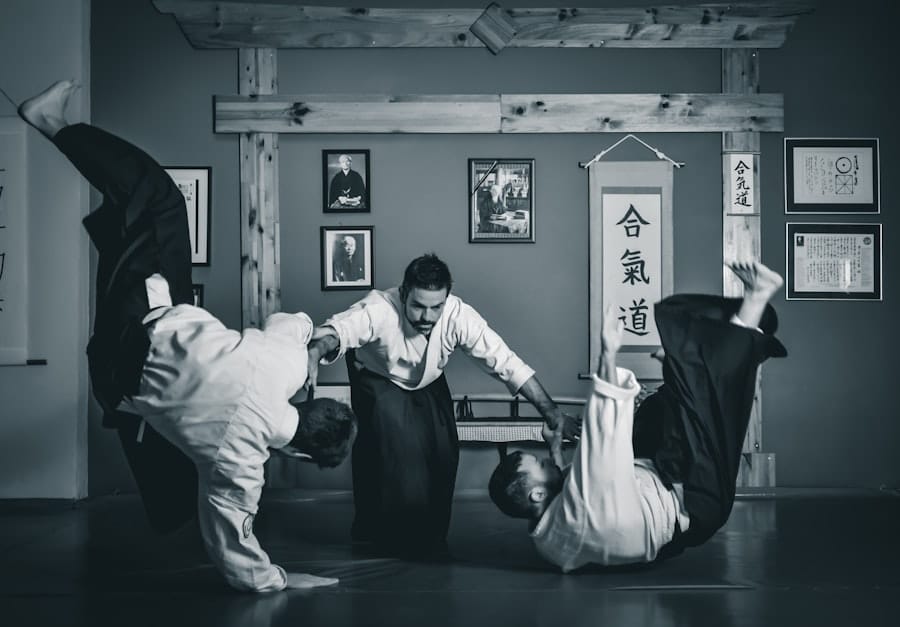
One of the most significant advantages of corporate self-defense training is its ability to enhance employee confidence. As you learn self-defense techniques, you gain a sense of empowerment that transcends the physical skills acquired during training. This newfound confidence can spill over into various aspects of your professional life, from public speaking to decision-making.
When you know you have the skills to protect yourself, you are more likely to take risks and embrace challenges in your work environment. Additionally, self-defense training fosters resilience. As you practice techniques and face simulated scenarios, you learn how to remain calm under pressure and think critically in high-stress situations.
This resilience not only boosts your confidence but also equips you with valuable skills that can be applied in everyday work challenges. When employees feel confident in their abilities, they are more likely to contribute ideas, take initiative, and collaborate effectively with their peers, ultimately benefiting the organization as a whole.
The Role of Communication and Trust in Team Building
Effective communication is the cornerstone of successful team building. When you engage in team-building activities, you learn how to express your thoughts and ideas clearly while also listening actively to others. This two-way communication fosters an environment where everyone feels heard and valued.
As trust develops among team members, collaboration becomes more seamless, leading to improved outcomes for projects and initiatives. Trust is built over time through consistent interactions and shared experiences. Team-building activities provide a platform for employees to connect on a personal level, allowing them to see each other as more than just colleagues.
When you share challenges and triumphs during these activities, you create a foundation of trust that can enhance teamwork in the workplace. As trust grows, so does the willingness to collaborate openly and share ideas without fear of judgment, ultimately leading to a more innovative and productive work environment.
Creating a Stronger Sense of Unity and Camaraderie Through Team Building
Team building is essential for cultivating a sense of unity within an organization. When you participate in group activities designed to promote collaboration, you create shared experiences that foster camaraderie among employees. These experiences help break down silos within the organization, encouraging individuals from different departments or teams to come together and work towards common goals.
The sense of belonging that arises from team-building activities can significantly impact employee engagement and retention. When you feel connected to your colleagues and invested in the team’s success, you are more likely to remain committed to the organization. This unity not only enhances workplace morale but also contributes to a positive corporate culture where employees support one another and celebrate each other’s achievements.
Ultimately, fostering camaraderie through team building creates an environment where everyone feels motivated to contribute their best efforts.
The Impact of Corporate Self Defense Training on Workplace Safety
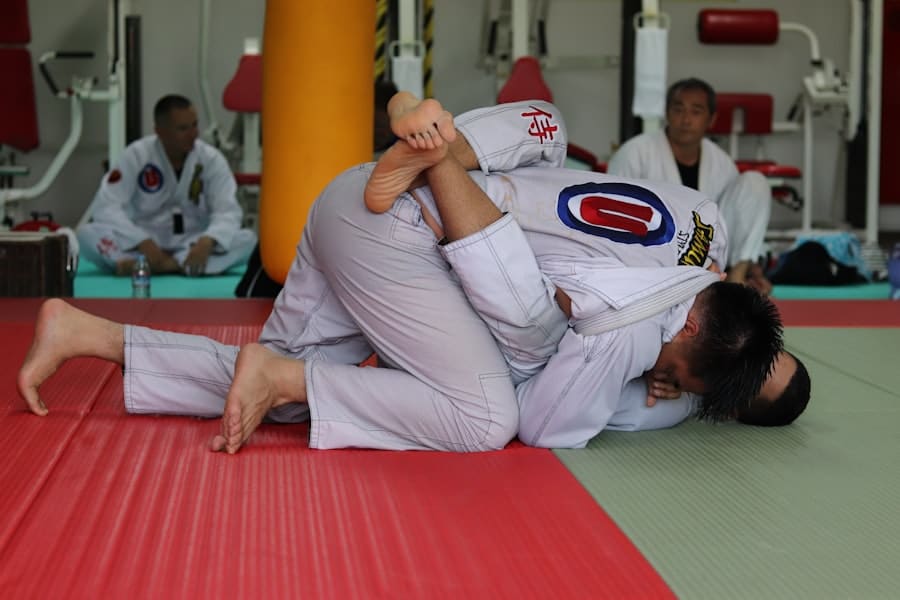
Workplace safety is a critical concern for any organization, and corporate self-defense training plays a vital role in enhancing safety protocols. By providing employees with the skills needed to protect themselves in potentially dangerous situations, you create a safer work environment for everyone. This proactive approach not only reduces the risk of incidents but also demonstrates your commitment to employee well-being.
Moreover, self-defense training can serve as a deterrent against workplace violence. When employees are trained in self-defense techniques, they are less likely to become victims of aggression or harassment. This sense of empowerment can lead to a more positive workplace atmosphere where employees feel secure and supported.
Additionally, when safety measures are prioritized through training initiatives, it fosters a culture of accountability where everyone takes responsibility for maintaining a safe environment.
Enhancing Problem-Solving Skills and Critical Thinking Through Team Building
Team-building activities are not just about fun; they also serve as valuable opportunities for enhancing problem-solving skills and critical thinking among employees. When you engage in collaborative tasks that require creative solutions, you learn how to think outside the box and approach challenges from different angles. This experience can translate into improved performance in your daily work tasks.
As you work together with your colleagues to overcome obstacles during team-building exercises, you develop essential skills such as adaptability and resourcefulness. These skills are crucial in today’s dynamic business landscape, where challenges can arise unexpectedly. By honing your problem-solving abilities through team building, you become better equipped to tackle complex issues in the workplace with confidence and creativity.
The Psychological and Physical Benefits of Self Defense Training for Employees
Corporate self-defense training offers numerous psychological benefits that extend beyond physical safety. As you learn self-defense techniques, you develop greater self-awareness and emotional regulation. This heightened awareness allows you to recognize potential threats or conflicts before they escalate, enabling you to respond effectively rather than react impulsively.
Physically, self-defense training promotes fitness and overall well-being. Engaging in regular physical activity not only improves your strength and coordination but also releases endorphins that boost mood and reduce stress levels. The combination of psychological resilience and physical fitness creates a holistic approach to employee well-being that enhances both personal and professional lives.
Fostering Leadership Skills and Collaboration Through Team Building Activities
Team-building activities provide an excellent platform for developing leadership skills among employees at all levels. When you participate in group challenges or projects, opportunities arise for individuals to step into leadership roles naturally. This experience allows you to practice decision-making, delegation, and conflict resolution—essential skills for effective leadership.
Moreover, collaboration is at the heart of successful team building. As you work together towards common goals, you learn how to leverage each other’s strengths while supporting one another’s weaknesses. This collaborative spirit fosters an environment where everyone feels empowered to contribute their ideas and insights, ultimately leading to innovative solutions that benefit the organization as a whole.
How Corporate Self Defense Training Can Improve Employee Morale
Employee morale is crucial for maintaining productivity and job satisfaction within an organization. Corporate self-defense training can significantly enhance morale by providing employees with valuable skills that promote personal safety and well-being. When employees feel empowered through training initiatives, they are more likely to approach their work with enthusiasm and positivity.
Additionally, self-defense training can serve as a bonding experience for employees. As they learn together and support one another during practice sessions, they build relationships that extend beyond the training room. This sense of camaraderie contributes to a positive workplace atmosphere where employees feel valued and connected to their colleagues.
The Long-Term Effects of Team Building and Self Defense Training on Corporate Culture
The long-term effects of team building and corporate self-defense training on corporate culture cannot be overstated. By investing in these initiatives, you create a foundation for a positive workplace environment characterized by trust, collaboration, and mutual respect. Over time, this culture becomes ingrained within the organization, influencing how employees interact with one another and approach their work.
As team building fosters strong relationships among colleagues, it leads to increased loyalty and commitment to the organization’s mission. Employees who feel connected are more likely to go above and beyond in their roles, contributing positively to overall organizational success. Similarly, self-defense training cultivates a culture of safety where employees prioritize one another’s well-being while feeling empowered in their own abilities.
In conclusion, both corporate self-defense training and team-building activities play vital roles in shaping a positive corporate culture that values employee safety, collaboration, and personal growth. By investing in these initiatives, you not only enhance individual skills but also create an environment where everyone thrives together as part of a cohesive team.
Corporate self-defense training in Chandler, Arizona, is an essential component of team building, as it not only enhances personal safety but also fosters camaraderie among employees. By participating in self-defense workshops, teams can develop trust and communication skills while learning valuable techniques to protect themselves in various situations. For organizations looking to bolster their overall security measures, understanding the importance of home defense systems can also be beneficial. For more insights on this topic, you can read about alarm systems for home defense in this related article: Alarm Systems for Home Defense.
FAQs
What is corporate self defense training?
Corporate self defense training is a program designed to teach employees how to protect themselves in various situations, both inside and outside the workplace. It typically includes techniques for physical self defense, as well as strategies for de-escalating conflicts and staying safe in different environments.
Why is corporate self defense training important?
Corporate self defense training is important for several reasons. It can help employees feel more confident and secure in their daily lives, both at work and outside of work. It can also improve teamwork and communication among employees, as well as promote a culture of safety and well-being within the organization.
What are the benefits of corporate self defense training?
The benefits of corporate self defense training include improved physical fitness, increased confidence, better stress management, enhanced problem-solving skills, and a greater sense of personal safety. Additionally, it can improve employee morale and reduce the risk of workplace violence.
What can employees expect from corporate self defense training in Chandler, Arizona?
Employees can expect to learn a variety of self defense techniques, including striking, blocking, and grappling. They may also learn how to assess and respond to potential threats, as well as how to work together as a team to stay safe in challenging situations. The training may be tailored to the specific needs and concerns of the organization.
How can corporate self defense training contribute to team building?
Corporate self defense training can contribute to team building by fostering a sense of trust and camaraderie among employees. By learning and practicing self defense techniques together, employees can develop a greater sense of unity and mutual support, which can translate into improved teamwork and collaboration in the workplace.