
You’re standing at a crossroads. The gnawing awareness of your vulnerability, or perhaps a proactive desire to cultivate inner strength, has led you here. You’ve decided to invest in yourself, to learn the skills that can empower you to navigate the world with greater confidence. And while self-defense training is a critical step, the quality of that training can be the difference between theoretical knowledge and practical application. This is where the search for the “Best Self-Defense School In Westridge McKinney Texas” becomes paramount. This article aims to provide a factual overview of what makes a self-defense school stand out, focusing on the elements you should consider when making your decision, and highlighting the criteria that contribute to excellence in a field where precision and effectiveness are non-negotiable.
Before you can identify the “best,” you need to understand what “self-defense” truly encompasses. It’s not simply about learning a few movie-style kicks and punches. Effective self-defense is a multifaceted discipline that blends physical techniques with mental preparedness. Your journey into self-defense is akin to building a robust house; each component, from the foundation to the roof, serves a critical purpose and must be solid.
The Core Components of Effective Self-Defense
At its heart, self-defense training aims to provide you with the tools to de-escalate, evade, and, if necessary, defend yourself against physical threats. This involves a comprehensive approach that addresses the complete spectrum of a dangerous encounter.
Physical Techniques: Beyond the Basics
While striking is often the first thing that comes to mind, effective self-defense training goes far deeper. You will learn techniques designed to control an attacker, create distance, and exploit vulnerabilities. This includes:
Striking Arts:
- Punches and Elbow Strikes: Understanding proper form, targeting vital points, and generating power. This is not about brute force but about biomechanical efficiency.
- Kicks and Knee Strikes: Learning to use your legs and knees as powerful weapons, focusing on accuracy and speed.
- Palm Strikes and Hammer Fists: Often safer and more effective than closed-fist strikes, especially for individuals with less physical conditioning.
Grappling and Control Techniques:
- Joint Locks and Escapes: Learning how to hyperextend or manipulate an attacker’s joints to subdue them or escape their grip.
- Chokes and Restraints: Understanding the mechanics of applying pressure to disrupt breathing or blood flow, and importantly, how to defend against these.
- Takedowns and Ground Fighting: While ground fighting is often associated with martial arts like Brazilian Jiu-Jitsu, controlled takedowns and the ability to defend yourself from a prone position are crucial for real-world scenarios.
Weapon Defense:
- Defense Against Common Weapons: Learning strategies to disarm an attacker wielding a knife, stick, or even a firearm. This is a highly specialized area that requires extensive training and understanding of risk.
Mental Fortitude: The Unseen Weapon
Physical techniques are only half the battle. Your psychological state during a confrontation is a critical determinant of success. A good self-defense school will nurture your mental resilience.
Situational Awareness:
- Recognizing Pre-Attack Indicators: Learning to observe your surroundings and identify subtle cues that suggest potential danger. This is about cultivating a vigilant mindset.
- Risk Assessment: Developing the ability to quickly evaluate threats and make informed decisions about how to proceed.
De-escalation and Verbal Defense:
- Calm Communication: Learning to use your voice effectively to deter an attacker, create space, or buy time. This is not about aggression, but about assertive communication.
- Creating Boundaries: Understanding the psychological aspect of setting and maintaining personal boundaries, both verbally and non-verbally.
Stress Management and Adrenaline Response:
- Controlled Pressure Drills: Practicing techniques under simulated stress to help your body and mind react more effectively in high-pressure situations.
- Understanding the Fight-or-Flight Response: Learning how your body reacts to stress and how to harness that energy rather than be overwhelmed by it.
The Importance of a Qualified Instructor
The effectiveness of any self-defense school hinges almost entirely on the quality of its instructors. They are the architects of your learning, shaping your understanding and guiding your progress. Think of them as navigators charting a course through potentially treacherous waters.
Instructor Credentials and Experience
A reputable instructor will have a demonstrable history of dedicated training and, ideally, practical experience.
Martial Arts Lineage and Rank:
- Recognized Certifications: Look for instructors who hold high ranks or certifications from established martial arts organizations. This indicates a deep understanding of their chosen disciplines.
- Breadth of Training: Instructors who have cross-trained in multiple disciplines often bring a more comprehensive and adaptable skillset.
Teaching Methodology:
- Clear and Concise Instruction: Do they explain techniques in a way that is easy to understand and follow?
- Patience and Adaptability: Are they able to adapt their teaching style to individuals with different learning paces and physical capabilities?
- Focus on Safety: Do they prioritize your safety during training, ensuring proper technique and controlled scenarios?
Student-Instructor Ratio
The number of students per instructor can significantly impact the quality of your personal attention.
Personalized Feedback:
- Individualized Corrections: A lower student-to-instructor ratio allows for more personalized feedback and correction of your technique.
- Addressing Specific Needs: Instructors can better identify and address your individual learning challenges.
Supervision During Drills:
- Reduced Risk of Injury: With more instructors per student, there is a greater likelihood of proper supervision during partner drills, minimizing the risk of accidental injury.
If you’re considering enrolling in the best self-defense school in Westridge, McKinney, Texas, it’s essential to also think about how to protect your valuables while traveling. A related article that offers valuable insights on this topic is available at Traveling with Valuables and Money. This resource provides practical tips on safeguarding your belongings, ensuring that you are well-prepared both in self-defense situations and when on the go.
Key Elements of a Reputable Self-Defense School
When you’re evaluating schools in Westridge, McKinney, Texas, certain hallmarks distinguish those that offer substantive training from those that provide superficial instruction. These are the building blocks of a truly effective learning environment.
Curriculum Design and Progressive Learning
A well-structured curriculum ensures that your learning is methodical and builds upon itself, creating a strong foundation before moving to more advanced concepts. This is like laying down a solid road before you start building bridges.
Balanced Approach to Techniques
The most effective programs offer a balanced integration of striking, grappling, and situational awareness.
Holistic Self-Defense:
- Comprehensive Skillset: You should be exposed to a range of techniques that address various types of threats and scenarios, from stand-up encounters to close-quarters situations.
- Integration of Concepts: How well do the different martial arts or self-defense systems taught work together? A truly effective program will seamlessly blend them.
Gradual Progression of Difficulty
The curriculum should be designed to introduce skills progressively, allowing you to master foundational elements before tackling more complex maneuvers.
Beginner-Friendly Classes:
- Onboarding Process: How are new students introduced to the principles and techniques? Is there a clear pathway for beginners?
- Building Confidence: The initial stages should focus on building your confidence and basic competency.
Advanced Training Opportunities:
- Continued Growth: Once you’ve established a solid foundation, are there opportunities for continued learning and specialization?
- Challenging Scenarios: Advanced training should push your limits in a safe and controlled manner, preparing you for more difficult situations.
Training Environment and Safety Protocols
The physical space and the prevailing atmosphere of a school are critical factors in your learning experience. A safe and supportive environment is as vital as the techniques themselves.
Facility and Equipment
The physical space must be conducive to training and equipped with necessary safety measures.
Training Mats and Safety Gear:
- Adequate Padding: The training area should be well-padded to minimize the impact of falls.
- Protective Equipment: Are there provisions for protective gear like headgear, mouthguards, and groin protectors for partner drills?
Cleanliness and Maintenance:
- Hygienic Conditions: A clean training space is essential for preventing the spread of illness.
- Well-Maintained Equipment: All training equipment should be in good repair.
Emphasis on Safety and Injury Prevention
This is perhaps the most crucial aspect of any self-defense school. Your well-being is paramount.
Controlled Sparring and Drills:
- Progressive Sparring: If sparring is part of the curriculum, is it introduced gradually and under strict supervision?
- Focus on Technique Over Power: The emphasis should always be on applying techniques correctly and safely, not on overpowering your training partners.
Instructor Supervision:
- Constant Oversight: Instructors should be actively observing all training activities to ensure safety and correct technique.
- Injury Management Protocols: Are there established protocols for dealing with minor injuries?
Evaluating Community and Culture Within the School
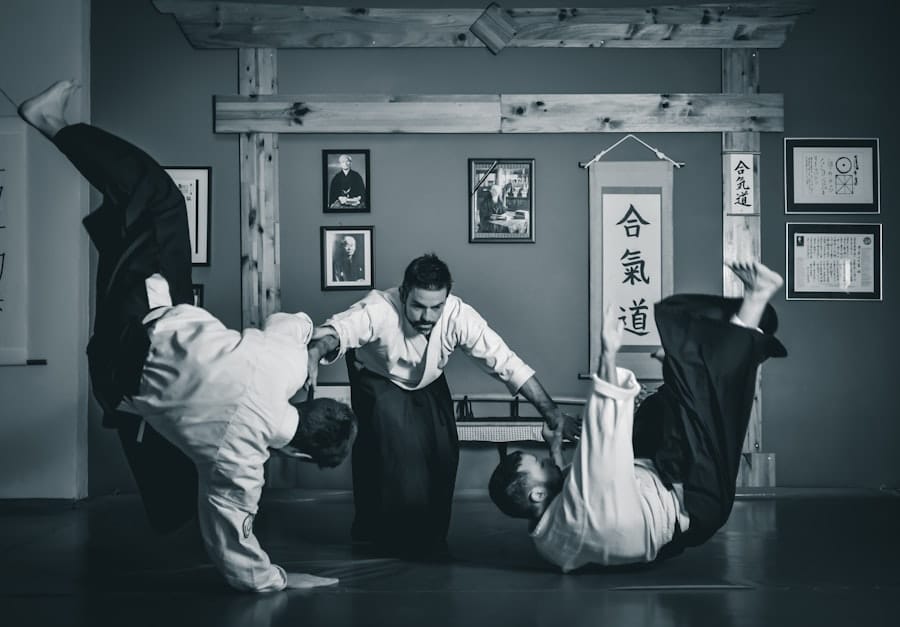
The people you train with and the overall atmosphere of the school can profoundly influence your motivation and progress. A supportive community acts as a vital safety net and a source of encouragement. It’s the supportive ecosystem that allows a sapling to grow into a mighty tree.
The Role of Camaraderie and Mutual Respect
A positive training environment fosters a sense of belonging and encourages open learning.
Building Trust Between Students
Self-defense training often involves close physical contact and vulnerability. Trust is therefore essential.
Partner Training Etiquette:
- Respectful Interaction: Are students encouraged to treat their training partners with respect, understanding that they are both learning?
- Clear Communication: Do students feel comfortable communicating with their partners about their comfort levels and any physical limitations?
Instructor-Student Relationship
A good instructor is not just a teacher but also a mentor.
Approachability and Support:
- Open to Questions: Are instructors approachable and willing to answer questions, even those that might seem basic?
- Encouraging Verbal Feedback: Do instructors offer constructive criticism in a way that motivates rather than discourages?
Inclusivity and Diversity
The “best” self-defense school is one where everyone feels welcome and supported, regardless of their background, age, or physical ability.
Catering to Different Needs and Abilities
Self-defense is for everyone, and a good school recognizes this by accommodating a range of individuals.
Modified Techniques:
- Adaptability for All: Can techniques be modified to suit individuals of different ages, genders, and physical conditions?
- Focus on Principles: A skilled instructor can teach the underlying principles of a technique, allowing for adaptation.
Support for Diverse Student Populations:
- Welcoming Environment: Is the school culture one that actively welcomes people from all walks of life?
- Addressing Specific Concerns: Do they acknowledge and address any particular concerns that might arise for specific demographics?
Assessing the Specific Offerings of Schools in Westridge McKinney Texas
When narrowing your search to Westridge, McKinney, Texas, you’ll want to look for schools that demonstrably embody the principles discussed. This involves investigating their specific programming and how they translate these ideals into tangible training experiences.
Curriculum Focus and Martial Arts Specialization
Different schools emphasize different aspects of self-defense, and understanding their primary focus can help you find the best fit for your goals.
Understanding the Different Disciplines
While many schools offer a blend, some may lean more heavily on certain martial arts traditions.
Reality-Based Self-Defense (RBSD):
- Focus on Practicality: RBSD programs often prioritize techniques that are effective in real-world, high-stress situations, often drawing from various disciplines.
- Stress Drills and Scenario Training: Emphasis on simulated real-world encounters.
Traditional Martial Arts (e.g., Karate, Taekwondo, Kung Fu):
- Discipline and Philosophy: Often emphasize character development, tradition, and a structured progression of ranks.
- Physical Conditioning: Can provide a strong foundation in striking and footwork.
Grappling-Focused Arts (e.g., Brazilian Jiu-Jitsu, Judo):
- Ground Control and Submissions: Excel in close-quarters combat and situations that go to the ground.
- Strength and Conditioning: Can significantly improve physical strength and endurance.
Specialized Programs and Workshops
Beyond regular classes, some schools offer targeted training that can be highly beneficial.
Women’s Self-Defense Courses:
- Addressing Specific Threats: Often tailored to common threats faced by women, with an emphasis on awareness, de-escalation, and empowering techniques.
Conflict Resolution and De-escalation Workshops:
- Verbal and Psychological Strategies: Focus on non-physical means of resolving conflict.
Children’s Self-Defense Programs:
- Bully Prevention and Safety: Teach children how to recognize dangerous situations, assert themselves, and stay safe.
If you’re considering enrolling in the best self-defense school in Westridge McKinney, Texas, it’s essential to understand various crime prevention strategies that can enhance your skills. A related article discusses effective methods to stay safe and protect yourself in different situations. You can read more about these strategies in this insightful piece on crime prevention. This information can complement your training and help you become more aware of your surroundings.
making the informed decision for your self-defense journey
| Metric | Details |
|---|---|
| School Name | Westridge Self-Defense Academy |
| Location | McKinney, Texas |
| Programs Offered | Krav Maga, Brazilian Jiu-Jitsu, Muay Thai, Women’s Self-Defense |
| Class Size | 8-15 students per class |
| Instructor Experience | 10+ years certified self-defense training |
| Student Success Rate | 95% report increased confidence and safety awareness |
| Facilities | Modern training mats, safety gear, and private training rooms |
| Class Schedule | Weekdays evenings and weekend mornings |
| Age Groups | Children (6+), Teens, Adults |
| Trial Class | Available upon request |
Your choice of a self-defense school is a significant investment in your personal safety and empowerment. It’s not a decision to be taken lightly, and the “best” school is ultimately the one that aligns with your individual needs, learning style, and goals. This article has provided a framework for evaluating potential training institutions by outlining the critical elements that contribute to excellence in self-defense instruction. Now, the work shifts to you to apply this knowledge within the Westridge, McKinney, Texas area.
The Due Diligence Process: What to Look For
Before committing, actively engage in the process of evaluating potential schools.
Visiting Schools and Observing Classes
A firsthand experience offers invaluable insights.
Trial Classes:
- Hands-On Experience: Most reputable schools offer trial classes. Take advantage of these to experience the teaching style and atmosphere.
- Ask Questions: Don’t hesitate to ask instructors and current students about their experiences.
Observing Class Dynamics:
- Student Engagement: Are students actively participating and engaged in learning?
- Instructor-Student Interaction: Observe how instructors interact with their students. Is it positive and constructive?
Speaking with Current Students and Alumni
Gaining perspectives from those who have already navigated the program can be highly informative.
Unbiased Feedback:
- Real-World Experiences: Ask about their overall satisfaction, the effectiveness of the training, and any challenges they encountered.
- Long-Term Benefits: Inquire about the long-term impact of the training on their confidence and sense of security.
Community Impressions:
- Sense of Belonging: Do students feel like they are part of a supportive community?
- Instructor Accessibility: How accessible are the instructors outside of regular class times?
By carefully considering the factors outlined in this article—from the fundamental components of self-defense to the specific offerings and culture of schools in Westridge, McKinney, Texas—you will be well-equipped to make an informed decision. Your pursuit of self-defense training is a powerful step towards self-mastery, and with diligent research, you can find the institution that will guide you effectively on this journey.
FAQs
What types of self-defense classes are offered at the best self-defense school in Westridge McKinney, Texas?
The best self-defense school in Westridge McKinney typically offers a variety of classes including martial arts, Krav Maga, Brazilian Jiu-Jitsu, kickboxing, and women’s self-defense courses tailored to different age groups and skill levels.
Are the instructors at the self-defense school in Westridge McKinney certified?
Yes, reputable self-defense schools in Westridge McKinney employ certified and experienced instructors who have undergone professional training and hold relevant martial arts or self-defense certifications.
Is the self-defense training suitable for beginners?
Absolutely. The best self-defense schools in Westridge McKinney provide beginner-friendly classes that focus on fundamental techniques, building confidence, and gradually advancing to more complex skills.
What safety measures are in place during self-defense training sessions?
Safety is a priority; schools enforce strict guidelines including supervised practice, use of protective gear, controlled sparring, and clear instructions to minimize the risk of injury during training.
How can I enroll in the best self-defense school in Westridge McKinney, Texas?
Enrollment typically involves visiting the school’s website or contacting them directly via phone or email to inquire about class schedules, fees, and registration procedures. Many schools also offer trial classes or introductory sessions.