
Twin Creeks, Allen, Texas. The phrase itself might evoke images of manicured lawns and quiet suburban streets. Yet, in this seemingly tranquil corner of North Texas, a vital need exists for individuals to equip themselves with the skills to navigate potential dangers. You might be asking yourself, “Where can I find the best self-defense school in Twin Creeks, Allen, Texas?” This inquiry is a wise one, a proactive step toward personal safety and empowerment. This article aims to provide a comprehensive, fact-based overview to help you make an informed decision. Consider this your roadmap, an unvarnished look at what constitutes a superior self-defense institution in your locale.
Before you dive headfirst into choosing a school, it’s crucial to understand the diverse spectrum of self-defense training available. Not all martial arts or self-defense programs are created equal, and what might be ideal for one person could be unsuitable for another. Your understanding of these differences will be the bedrock upon which you build your decision.
Defining Self-Defense
At its core, self-defense is the act of protecting yourself from harm. This can encompass physical confrontation, but it also involves awareness, de-escalation, and strategic avoidance. A comprehensive self-defense program will address these multifaceted aspects, not just the mechanics of striking or grappling. Think of it like building a sturdy fence – you need to consider the materials, the design, and the placement to ensure true security.
Differentiating Martial Arts and Self-Defense Systems
While often used interchangeably, martial arts and self-defense systems have distinct focuses. Martial arts, in a broad sense, are codified traditions of combat practices developed over centuries, often with philosophical underpinnings. Self-defense systems, on the other hand, are typically designed with a more immediate, practical application for personal protection in mind, often drawing from elements of various martial arts but prioritizing efficiency and effectiveness in real-world scenarios.
Traditional Martial Arts
- Focus: Discipline, character development, physical conditioning, philosophical exploration, and the mastery of specific techniques.
- Examples: Karate, Taekwondo, Kung Fu, Judo, Aikido.
- Relevance for Self-Defense: While offering excellent physical and mental benefits, the applicability of some traditional martial arts techniques to spontaneous, high-stress self-defense situations can vary. Some techniques might require significant training to execute effectively under duress.
Modern Self-Defense Systems
- Focus: Practicality, efficiency, situational awareness, de-escalation tactics, and techniques designed for immediate effectiveness against common threats.
- Examples: Krav Maga, Tactical Self-Defense, Women’s Self-Defense specific programs.
- Relevance for Self-Defense: These systems are often built around principles of threat assessment, escaping from grabs and holds, and utilizing gross motor skills that are more likely to remain functional under extreme stress.
The Importance of Realism in Training
The most effective self-defense school will be one that prioritizes training that mirrors real-world scenarios. This means exposing students to controlled scenarios that simulate the stress, fear, and chaos of an actual attack. Without this element of realism, techniques learned in a sterile environment might prove ineffective when confronted with genuine danger.
Scenario-Based Training
- Definition: Simulating various attack scenarios, such as assaults, muggings, or unwanted advances, to allow students to practice their defensive responses under pressure.
- Benefits: Helps in developing faster reaction times, managing adrenaline, and applying learned techniques effectively when cognitive function is compromised.
Force-on-Force Drills
- Definition: The controlled application of simulated force (e.g., padded striking suits, marking rounds) between instructors and students to provide realistic resistance.
- Benefits: Offers an invaluable opportunity to test skills against a resisting opponent and experience the physical and psychological impact of a confrontation.
If you’re looking to enhance your self-defense skills, you might find it beneficial to explore related topics such as home security systems. A well-rounded approach to personal safety includes not only self-defense training but also understanding how to secure your living environment. For more insights on this subject, check out this informative article on home security systems by visiting Home Security System Expert in St. Louis, Missouri. This resource can provide valuable information that complements your self-defense education at the Best Self-Defense School in Twin Creeks, Allen, Texas.
Key Criteria for Evaluating Self-Defense Schools
When you embark on your search for the “best” self-defense school, you’re not just looking for a place with fancy mats. You’re seeking an institution that offers robust instruction, experienced guidance, and a supportive environment that prioritizes your learning and safety above all else. Consider these criteria as your yardstick.
Instructor Qualifications and Experience
The quality of instruction is paramount. An instructor’s ability to not only perform techniques but also to effectively teach them, adapt to different learning styles, and impart crucial safety and situational awareness principles is non-negotiable.
Credentials and Certifications
- Significance: While not always indicative of teaching ability, reputable certifications from recognized self-defense organizations can signify a baseline of knowledge and adherence to safety standards.
- What to Look For: Inquire about certifications from established martial arts federations, self-defense bodies, or law enforcement training programs.
Practical Experience
- Value: Instructors with real-world experience in law enforcement, military, or security professions often bring a valuable perspective on practical self-defense application.
- Questions to Ask: Don’t hesitate to ask about an instructor’s background and experience in dealing with confrontational situations.
Teaching Methodology
- Assessment: Observe how instructors explain techniques, provide feedback, and manage the class. Are they patient, clear, and encouraging? Do they tailor instruction to individual needs?
- Red Flags: Over-reliance on rote memorization of techniques without explaining the underlying principles or a lack of individual attention can be concerning.
Curriculum and Training Methodology
The heart of any self-defense school lies in its curriculum. You want a program that is comprehensive, progressive, and grounded in practical application.
Comprehensive Skill Development
- Elements: A good curriculum will address striking (punches, kicks), grappling (escapes from holds, ground defense), weapon defense (against common weapons like knives and sticks), and de-escalation strategies.
- Holistic Approach: The best programs integrate mental preparedness, legal aspects of self-defense, and the importance of avoiding confrontation whenever possible.
Progressive Learning Structure
- Progression: The curriculum should be structured in a way that allows students to build foundational skills before moving on to more complex techniques. This creates a solid learning curve.
- Example: Beginners typically start with basic stances, footwork, and simple strikes, progressing to combinations, defenses against various attacks, and eventually more advanced concepts.
Emphasis on Gross Motor Skills
- Rationale: Under stress, fine motor skills can become impaired. Self-defense techniques that rely on gross motor skills (large muscle movements) are generally more effective in high-pressure situations.
- Observation: Look for training that emphasizes movements that are naturally strong and instinctively functional.
Safety Protocols and Environment
Your physical safety during training is as important as the self-defense skills you acquire. A responsible school will have robust safety protocols in place.
Controlled Training Environment
- Facilities: The training area should be clean, well-maintained, and free of hazards. Adequate padding and safety equipment are essential.
- Supervision: Instructors should actively supervise all training activities to prevent injuries.
Injury Prevention Strategies
- Warm-ups and Cool-downs: Proper warm-up routines prepare the body for physical exertion, and cool-downs aid in recovery, both crucial for injury prevention.
- Technique Instruction: Proper instruction on how to execute techniques safely and how to receive them without injury is vital.
Respectful and Inclusive Atmosphere
- Community: A positive and respectful training environment fosters a sense of community and trust, encouraging students of all backgrounds and experience levels to learn and grow.
- Zero Tolerance for Bullying: Any form of harassment or bullying should be strictly prohibited.
The Benefits of Training Close to Home: Convenience and Consistency
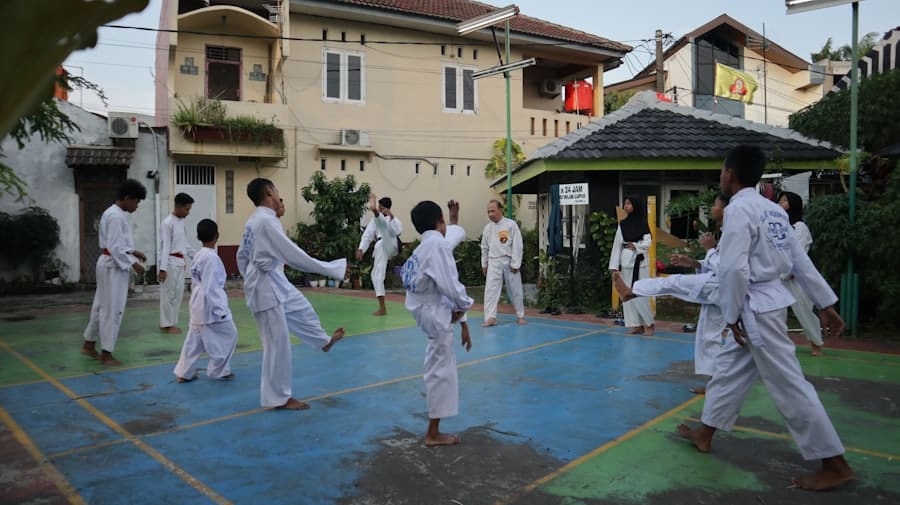
The decision to train at a school in Twin Creeks, Allen, Texas, offers distinct advantages beyond just geographical proximity. These advantages contribute to your ability to commit to a training regimen and thus maximize your learning.
Accessibility and Time Efficiency
- Reduced Commute: A local school means less time spent traveling, freeing up valuable hours for work, family, or rest. This makes consistent attendance more achievable.
- Spontaneous Practice: The ability to quickly pop into a class after work or on a weekend can be a significant motivator for consistent training. You can make self-defense a regular part of your life, not an occasional undertaking.
Building a Local Network
- Community Support: Training with neighbors and members of your local community can foster a stronger sense of camaraderie and mutual support. You’re not just learning self-defense; you’re building connections.
- Shared Goals: The common pursuit of personal safety can create a bond that extends beyond the training floor.
Consistency is Key to Proficiency
- Regular Attendance: The closer a school is, the easier it is to maintain a regular training schedule. This consistency is the engine that drives skill development and confidence building.
- Reinforcement of Learning: Frequent repetition of techniques in a structured environment solidifies muscle memory and cognitive understanding, crucial for effective self-defense.
What to Look For in a Twin Creeks Self-Defense School
Now, let’s bring these general principles into the specific context of Twin Creeks and Allen, Texas. While national standards apply, local institutions may offer unique strengths.
Specialized Programs and Styles Offered
The variety of martial arts and self-defense systems available means you can find a program that aligns with your personal goals and physical capabilities.
Focus on Practicality
- Examples: Look for schools that explicitly state a focus on practical, real-world self-defense applications, rather than purely sport-oriented combat.
- Curriculum Alignment: Ensure their listed curriculum includes elements like situational awareness, de-escalation, and defense against common attacks.
Diverse Range of Disciplines
- Broad Appeal: Some schools may offer a blend of disciplines, allowing you to explore different approaches to self-defense. For instance, a school might teach elements of Krav Maga alongside striking arts.
- Individual Needs: This diversity can be beneficial if you have specific concerns or preferences regarding the type of techniques you want to learn.
Class Schedules and Flexibility
The best self-defense school will accommodate your lifestyle, not the other way around. Life in Twin Creeks, as in any suburban area, demands a schedule that can adapt to changing demands.
Multiple Class Times
- Busy Lifestyles: Offering classes at various times throughout the week, including mornings, evenings, and weekends, caters to individuals with different work schedules and family commitments.
- Catch-Up Options: The ability to attend make-up classes if you miss a session is a hallmark of a student-focused institution.
Trial Classes and Introductory Offers
- No-Obligation Experience: Many reputable schools offer free or discounted trial classes. This allows you to experience the environment, meet the instructors, and get a feel for the teaching style before committing financially.
- Informed Decision-Making: A trial class is invaluable for assessing the atmosphere and the instructor’s rapport with students.
Student Testimonials and Community Reputation
Word-of-mouth and online reviews can offer unbiased insights into a school’s effectiveness and the experiences of its students.
Online Reviews and Ratings
- Platform Analysis: Websites like Google Reviews, Yelp, and dedicated martial arts directories can provide a snapshot of what current and former students think. Pay attention to recurring themes.
- Balanced Perspective: Look for reviews that provide specific details about the training, instructors, and overall experience, rather than just general praise or criticism.
Direct Feedback (When Possible)
- Current Students: If you have the opportunity to speak with current students at the school, ask them about their experiences, what they enjoy most, and if they have any reservations.
- Sense of Belonging: Observe the interactions between instructors and students. Does it feel like a supportive and encouraging community?
If you’re looking for the best self-defense school in Twin Creeks, Allen, Texas, you might also find it helpful to explore related resources that emphasize the importance of personal safety. One such article discusses the significance of home security systems and how they can complement self-defense training. You can read more about this topic in the article on home security systems in Madison, Wisconsin, which highlights various strategies for enhancing safety at home. For further insights, check out the article here.
Choosing the Right Program for Your Needs
| Metric | Details |
|---|---|
| School Name | Twin Creeks Martial Arts Academy |
| Location | Allen, Texas |
| Programs Offered | Krav Maga, Brazilian Jiu-Jitsu, Muay Thai, Boxing, Self-Defense Workshops |
| Instructor Experience | 10+ years certified in multiple martial arts disciplines |
| Class Size | 8-15 students per class |
| Student Age Range | 5 years to adult |
| Class Frequency | 3-5 classes per week |
| Student Satisfaction | 4.8/5 based on online reviews |
| Safety Measures | Sanitized equipment, social distancing, certified first aid trainers |
| Trial Class Availability | Yes, free trial class offered |
Ultimately, the “best” self-defense school in Twin Creeks, Allen, Texas, is subjective and depends entirely on your individual requirements and goals. This section helps you synthesize the information and make a personal decision.
Identifying Your Personal Goals
Before you even step foot in a dojo or training hall, take a moment to reflect on why you want to learn self-defense. Your motivations will guide your choice.
Self-Protection Against Physical Threats
- Primary Objective: If your main concern is learning to defend yourself in a physical confrontation, prioritize schools that emphasize practical, high-intensity training and realistic scenarios.
- Technique Focus: Look for programs that teach effective strikes, escapes, and defensive maneuvers designed for immediate threat neutralization.
Increased Situational Awareness and Confidence
- Proactive Defense: If you’re more interested in preventing confrontations through heightened awareness and developing the confidence to project assertiveness, seek out programs that incorporate these elements prominently.
- De-escalation Skills: Many effective self-defense programs will teach you how to recognize potential threats and de-escalate situations before they turn physical.
Physical Fitness and Mental Discipline
- Holistic Benefits: You might be seeking the added benefits of improved physical fitness, discipline, and stress management that come with martial arts training.
- Program Balance: In this case, a program that offers a good balance of physical conditioning, technical instruction, and mental conditioning would be ideal.
The Importance of a ‘Good Fit’
Beyond the curriculum and instructor qualifications, the intangible aspect of feeling comfortable and supported within a school’s environment is crucial for long-term engagement.
Instructor-Student Rapport
- Trust and Communication: You should feel comfortable asking questions, seeking clarification, and receiving constructive criticism from your instructors. A good rapport fosters trust and accelerates learning.
- Mentorship: Effective instructors often act as mentors, guiding not just your physical development but also your understanding of self-defense principles.
Classmates and Training Partners
- Mutual Respect: The individuals you train with will become a significant part of your learning journey. A training environment built on mutual respect and encouragement will make the experience more enjoyable and effective.
- Varied Experience Levels: Training with partners of different skill levels provides opportunities to adapt your techniques and learn from each other.
Making the Final Decision
Once you have gathered information about potential schools in Twin Creeks and Allen, Texas, it’s time to weigh the factors and make your choice. Don’t rush this process; it’s an investment in your safety and well-being.
- Trial Classes: This is your best tool for an immediate assessment. Attend trial classes at your top choices, observe the classes, and interact with instructors and students.
- Questionnaire: Prepare a list of questions to ask instructors about their curriculum, teaching philosophy, and experience.
- Intuition: Sometimes, after gathering all the facts, your gut feeling about a particular school and its environment will be a strong indicator of whether it’s the right fit for you.
By approaching your search for a self-defense school with a discerning eye and a clear understanding of what constitutes quality instruction, you are well on your way to finding an institution in Twin Creeks, Allen, Texas, that will empower you with the skills and confidence to navigate the world with greater assurance. Remember, the journey of learning self-defense is a continuous one, and your first step is to choose the right guide.
FAQs
What types of self-defense classes are offered at the best self-defense school in Twin Creeks, Allen, Texas?
The best self-defense schools in Twin Creeks, Allen, Texas typically offer a variety of classes including martial arts like Brazilian Jiu-Jitsu, Krav Maga, Muay Thai, and general self-defense techniques tailored for different age groups and skill levels.
Are the instructors at the top self-defense schools in Twin Creeks certified?
Yes, reputable self-defense schools in Twin Creeks ensure their instructors are certified professionals with extensive training and experience in martial arts and self-defense techniques.
Can beginners join self-defense classes at these schools?
Absolutely. Most self-defense schools in Twin Creeks welcome beginners and provide beginner-friendly classes that focus on fundamental skills and building confidence.
Do self-defense schools in Twin Creeks offer classes for children and teens?
Yes, many self-defense schools in Twin Creeks offer specialized programs for children and teenagers to teach them practical self-defense skills in a safe and supportive environment.
What should I consider when choosing the best self-defense school in Twin Creeks, Allen, Texas?
When selecting a self-defense school, consider factors such as instructor qualifications, class variety, student reviews, class size, location, and whether the school offers trial classes or flexible schedules.