
You are standing at a crossroads, not of physical streets, but of your own personal security. Downtown Round Rock, Texas, a vibrant hub of commerce and community, also presents the everyday awareness that self-preservation is a vital skill. When considering where to equip yourself with the tools to navigate potential threats, the choices can feel overwhelming. This article aims to provide a structured overview of what makes a self-defense school in downtown Round Rock a valuable asset, focusing on verifiable aspects rather than hyperbolic claims. Your journey to enhanced safety begins with informed decision-making.
When you look for a self-defense school, you are not just seeking a place to learn a few moves. You are searching for an institution that instills confidence, sharpens awareness, and builds practical capabilities. The effectiveness of any program rests on several key principles. These are the bedrock upon which your ability to defend yourself will be built. A good school will illuminate these pillars, ensuring you understand the “why” behind the “how.”
The Importance of Situational Awareness
Often, the most effective self-defense is the one that never needs to be deployed. This is where situational awareness comes into play. It is your internal radar, constantly scanning your environment for anomalies, potential threats, and escape routes. A reputable self-defense school will dedicate significant time to cultivating this crucial skill. You will learn to identify subtle cues – body language, unusual behavior, environmental factors – that might indicate danger. This isn’t about paranoia; it’s about proactive vigilance. Think of it as having a comprehensive map of your surroundings, allowing you to anticipate turns and avoid roadblocks before they appear.
The Role of De-escalation Techniques
Physical confrontation is a last resort. Many self-defense philosophies emphasize the power of words and calm demeanor in diffusing tense situations. You will be taught how to communicate assertively, set boundaries, and disengage from potentially dangerous encounters through verbal strategies. This aspect of training is crucial for everyday interactions, not just high-stakes scenarios. Mastering de-escalation is like possessing a finely tuned instrument capable of harmonizing discord without resorting to brute force.
Dissecting Physical Techniques: Efficiency Over Spectacle
The physical techniques taught in self-defense are designed for practicality and effectiveness under stress. This means focusing on principles of leverage, biomechanics, and targeting vulnerable points, rather than elaborate, flashy maneuvers that are difficult to execute in a dynamic situation. You will learn how to use your body’s natural strengths and how to exploit an attacker’s weaknesses. The goal is not combat artistry, but survival. Imagine learning to use a simple, well-maintained lever to move a heavy object, as opposed to trying to push it with brute force alone.
The Psychological Fortitude: Building Resilience
Beyond the physical, self-defense training builds mental resilience. You will confront your fears in a controlled environment, learning to manage stress and remain calm under pressure. This psychological conditioning is as important as any strike or block. It’s about building an inner fortress, capable of weathering the storm of a confrontation.
If you’re looking for the best self-defense school in Downtown Round Rock, Texas, you might also find it beneficial to explore related topics on personal safety and security. For instance, an insightful article on home security systems can provide valuable information on how to protect your home and loved ones. You can read more about this in the article found here: Home Security System Expert in Santa Ana, California. This resource can complement your self-defense training by enhancing your overall awareness and preparedness.
Key Elements to Evaluate in a Downtown Round Rock Self-Defense Program
When you are evaluating potential schools, you need a checklist of essential components that distinguish a quality establishment from a mediocre one. Downtown Round Rock, like any urban center, hosts various martial arts and self-defense academies. Your diligence in assessing these elements will directly impact the efficacy of your training.
Certified and Experienced Instructors
The quality of instruction is paramount. Look for instructors who possess recognized certifications in self-defense or relevant martial arts disciplines. Beyond certifications, their experience in teaching, particularly to diverse student bodies, is invaluable. Do they have experience dealing with real-world self-defense scenarios? Do they understand the nuances of teaching to different age groups and physical capabilities? An experienced instructor is like a seasoned captain who has navigated many voyages; they know the safe harbors and the potential storms.
Instructor-to-Student Ratio
A favorable instructor-to-student ratio ensures that you receive adequate personal attention and feedback. This allows instructors to identify your specific needs and correct your technique effectively. In larger classes, you risk becoming a face in the crowd, with limited opportunity for personalized guidance.
Instructor’s Teaching Philosophy
The instructor’s underlying philosophy in teaching self-defense is critical. Do they focus on empowerment, realistic scenarios, and ethical self-defense principles? Or does their approach seem overly aggressive or sport-oriented, potentially neglecting the core tenets of personal safety?
Comprehensive Curriculum Design
A well-rounded self-defense curriculum will cover a spectrum of threats and response strategies. It should not be narrowly focused on a single type of martial art. You should expect to learn about common attack scenarios, escape techniques, and how to defend against strikes, grabs, and even weapons, if applicable to their program.
Scenario-Based Training
Effective programs incorporate realistic scenario-based training. This is where you put your learned techniques into practice in simulated real-world situations. This helps you develop muscle memory and the ability to react instinctively under pressure. It’s the difference between reading about how to swim and actually getting in the water.
Defense Against Common Attacks
The curriculum should address defenses against common assaults, such as chokes, bear hugs, punches, and kicks. This forms the foundational knowledge necessary for self-protection.
Introduction to Weapon Defense (Optional, but valuable)
Depending on the school’s focus, some may offer introductory modules on dealing with common weapons. This is a specialized area, and you should ensure the instruction is handled by qualified professionals with a responsible approach.
Training Methodology and Safety Protocols
The way training is conducted is as important as what is taught. Safety must be the absolute priority in any self-defense class. You should observe the environment and the instructors’ adherence to safety standards.
Emphasis on Practice and Repetition
Learning self-defense is akin to learning to play a musical instrument; consistent practice and repetition are key to mastery. The school should foster an environment where you are encouraged to drill techniques regularly.
Safe Sparring and Controlled Drills
When sparring or engaging in controlled drills, safety measures like appropriate protective gear and structured supervision are essential. This allows you to apply techniques without undue risk of injury. It’s like practicing with a safety net below; you can push your limits while knowing you are protected.
Clean and Well-Maintained Facility
A clean and well-maintained training space contributes to a positive and safe learning environment. This includes adequate ventilation, proper flooring, and well-kept equipment.
Exploring Specialized Self-Defense Focuses in Downtown Round Rock
While many schools offer a general self-defense program, you might find specialized approaches that align with your specific interests or concerns. Downtown Round Rock may host academies that lean towards particular martial arts systems or focus on distinct aspects of self-defense.
Martial Arts Systems with a Self-Defense Emphasis
Certain martial arts are inherently geared towards practical self-defense. When considering these, understand their underlying principles and how they translate to real-world situations.
Krav Maga
Often cited for its direct and brutal effectiveness, Krav Maga is a military self-defense system developed in Israel. It focuses on practical techniques that are easy to learn and effective under stress. You will learn to defend against multiple attackers, vulnerable targets, and common weapons.
Brazilian Jiu-Jitsu (BJJ)
While often perceived as a ground-fighting art, BJJ provides exceptional tools for self-defense, particularly in close-quarters situations. Its principles of leverage and submission can neutralize a larger, stronger attacker. The emphasis on problem-solving on the ground is a powerful asset.
Wing Chun
Known for its close-range combat and simultaneous offense and defense, Wing Chun can be highly effective for self-defense. Its emphasis on centerline theory and efficient movements makes it suitable for individuals seeking a practical and direct approach.
Programs Tailored for Specific Demographics
You may also find schools that offer programs specifically designed for certain groups, recognizing their unique needs and potential threats.
Women’s Self-Defense Classes
These classes often focus on common attack scenarios that women may face, emphasizing awareness, boundary setting, and techniques that leverage a smaller person’s ability to defend against a larger aggressor.
Children’s Self-Defense and Anti-Bullying Programs
For younger individuals, these programs aim to build confidence, teach situational awareness, and provide strategies for dealing with bullies and potentially dangerous situations in a age-appropriate manner.
Self-Defense for Seniors
These programs often focus on balance, mobility, and simple, effective techniques to deter attackers and escape from grabs. The emphasis is on maintaining independence and safety.
Evaluating the Learning Environment and Community Aspect
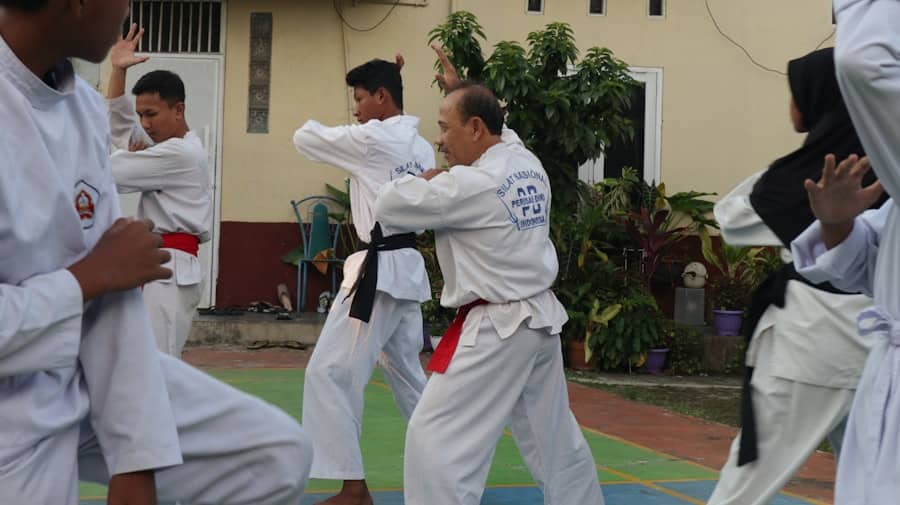
Beyond the curriculum and instructors, the overall learning environment and the sense of community within a self-defense school are significant factors in your long-term engagement and success. You are looking for a place where you feel supported, motivated, and respected.
Welcoming Atmosphere and Inclusivity
A good self-defense school will foster a welcoming and inclusive atmosphere where individuals from all backgrounds and fitness levels feel comfortable. You should observe how students interact with each other and with instructors. Does it feel like a supportive team or a competitive hierarchy?
Student Testimonials and Reviews
While not the sole determinant, student testimonials and online reviews can offer valuable insights into a school’s effectiveness and the student experience. Look for consistent positive feedback regarding instruction quality, atmosphere, and practical results. However, approach all reviews with a critical eye, understanding that individual experiences can vary.
Opportunities for Continued Learning and Progression
Self-defense is not a destination but a journey. A good school will offer opportunities for continued learning through advanced classes, workshops, or specialized training. This allows you to refine your skills and stay engaged with your self-defense journey.
If you’re looking for the best self-defense school in downtown Round Rock, Texas, you might also find it beneficial to explore strategies for personal safety in various situations. A related article discusses essential techniques for responding to active shooter scenarios, which can complement your self-defense training. You can read more about these important safety measures in this informative piece on active shooter response.
Practical Considerations When Choosing a Downtown Round Rock Location
| Metric | Details |
|---|---|
| School Name | Downtown Round Rock Self-Defense Academy |
| Location | 123 Main St, Downtown Round Rock, TX |
| Class Types | Karate, Brazilian Jiu-Jitsu, Krav Maga, Kickboxing |
| Instructor Experience | 10+ years certified self-defense training |
| Student to Instructor Ratio | 8:1 |
| Class Size | 10-15 students per session |
| Age Groups | Kids (5-12), Teens (13-17), Adults (18+) |
| Class Schedule | Mon-Fri: 6am-9pm, Sat: 8am-4pm |
| Trial Class | Free 1-hour introductory session |
| Student Success Rate | 95% report improved confidence and skills |
| Safety Protocols | Sanitized equipment, mask optional, social distancing |
| Contact | (512) 555-1234 | info@roundrockselfdefense.com |
Logistics play an undeniable role in your commitment to any activity. When looking at self-defense schools in downtown Round Rock, the practicality of attendance should be a significant factor in your decision-making process.
Accessibility and Proximity
Consider the school’s location within downtown Round Rock. Is it easily accessible by car, public transport, or on foot from your home or workplace? Reduced travel time means more time spent training and less time spent commuting, which can be a deciding factor for your consistency.
Class Schedules and Flexibility
The availability of class times that fit your personal schedule is crucial. A school with multiple class offerings throughout the week, including evenings and weekends, provides the flexibility needed to maintain a regular training regimen.
Membership Fees and Contract Terms
Understand the fee structure, including monthly rates, class packages, or any long-term contract obligations. Ensure you are comfortable with the financial commitment and that the value provided justifies the cost. Transparent pricing is a hallmark of a reputable institution.
Trial Classes and Introductory Offers
Many schools offer free trial classes or discounted introductory courses. This is an excellent opportunity to experience the teaching style, observe the environment, and assess the program’s suitability before making a long-term commitment. It’s your chance to test drive the vehicle before you buy it.
In conclusion, your pursuit of a self-defense school in downtown Round Rock is a proactive step towards enhancing your personal safety and well-being. By meticulously evaluating the core principles of effective training, the specific offerings of different programs, the overall learning environment, and practical logistical considerations, you can make an informed decision. The right school will not only equip you with physical techniques but will also empower you with confidence, awareness, and the resilience to navigate the complexities of modern life. Your commitment to self-improvement is a powerful defense in itself.
FAQs
What types of self-defense classes are offered at the best self-defense school in Downtown Round Rock, Texas?
The best self-defense school in Downtown Round Rock typically offers a variety of classes including martial arts like Brazilian Jiu-Jitsu, Krav Maga, Muay Thai, and general self-defense techniques suitable for all ages and skill levels.
Are the instructors at the self-defense school in Downtown Round Rock certified?
Yes, reputable self-defense schools in Downtown Round Rock employ certified and experienced instructors who have undergone rigorous training and hold recognized credentials in their respective martial arts or self-defense disciplines.
Is the self-defense training suitable for beginners?
Absolutely. The best self-defense schools in Downtown Round Rock provide beginner-friendly classes that focus on fundamental techniques, building confidence, and ensuring safety for all participants regardless of prior experience.
What are the typical class sizes at a top self-defense school in Downtown Round Rock?
Class sizes at leading self-defense schools in Downtown Round Rock are usually kept small to ensure personalized attention, effective instruction, and a safe learning environment for all students.
Do self-defense schools in Downtown Round Rock offer programs for children and women?
Yes, many self-defense schools in Downtown Round Rock offer specialized programs tailored for children and women, focusing on age-appropriate techniques and empowering participants to protect themselves effectively.