
You’ve decided to invest in yourself, to build a stronger, safer you. It’s a commendable goal, and in Desert Harbor, Peoria, Arizona, you have options. The landscape of self-defense training can seem vast, and navigating it to find the best school requires clarity and a well-informed approach. This guide aims to equip you with the knowledge to pinpoint the institution that aligns with your needs and empowers you to learn effective self-protection.
Before you even set foot in a dojo or academy, take a moment for introspection. What are your primary motivations for seeking self-defense training? Your answer will act as a compass, directing you towards the most suitable programs.
Assessing Your Personal Safety Concerns
Consider your daily life. Do you walk alone at night? Do you travel frequently? Are you concerned about specific types of threats, such as street crime, home invasion, or workplace-related incidents? Perhaps your concerns stem from a personal experience or a desire for general preparedness.
- Environmental Factors: The environment in which you live or work can influence your concerns. Are there particular areas of perceived higher risk?
- Vulnerability Perception: Some individuals may feel more vulnerable due to physical stature, age, or lifestyle. Recognizing these perceptions is important in choosing a style that builds confidence.
- Specific Skill Sets: Do you envision yourself needing to de-escalate verbal confrontations, or are you more interested in physical techniques for escape and defense?
Defining Your Training Objectives
Your objectives will dictate the type of training you seek. Are you looking for a comprehensive martial art for long-term development, or a more focused set of practical techniques for immediate application?
- Fitness and Health: Many martial arts offer significant physical conditioning benefits, improving strength, flexibility, and cardiovascular health.
- Mental Discipline and Focus: Training in martial arts often cultivates discipline, patience, and improved concentration, extending beyond the training mat.
- Confidence and Empowerment: The process of learning new skills and overcoming challenges can profoundly boost self-esteem and a sense of personal agency.
- Competitive Aspirations: Some individuals may wish to compete in martial arts tournaments, requiring a curriculum geared towards sparring and competition.
Evaluating Your Physical Limitations and Capabilities
It’s crucial to be realistic about your current physical condition. A good self-defense school will accommodate a range of abilities and offer modifications.
- Pre-existing Injuries: If you have any pre-existing injuries or health conditions, it’s imperative to inform the school beforehand and seek their guidance on appropriate programs or necessary precautions.
- Fitness Level: Whether you are an elite athlete or just starting your fitness journey, there are programs designed to meet you where you are.
- Age and Flexibility: Consider programs that have age-appropriate classes and offer modifications for students with limited flexibility.
If you’re looking to enhance your self-defense skills while also ensuring safety in various environments, you might find the article on hazardous material handling particularly insightful. It discusses essential safety protocols that can be beneficial for self-defense practitioners in understanding their surroundings better. For more information, check out the article here: Hazardous Material Handling. This knowledge can complement your training at the Best Self-Defense School in Desert Harbor, Peoria, Arizona, by equipping you with the awareness needed to navigate potentially dangerous situations effectively.
Key Components of Effective Self-Defense Training
When evaluating a self-defense school, you are looking for more than just physical techniques. A robust program will incorporate a holistic approach to personal safety.
The Importance of Practical Application
The most effective self-defense techniques are those that can be realistically applied under duress. This means training that simulates real-world scenarios.
- Scenario-Based Training: Look for schools that incorporate scenario-based training, where students practice responding to common threats in a controlled, yet realistic, manner. This could involve simulated attacks, boundary setting exercises, and de-escalation strategies.
- Force-on-Force Drills: Advanced programs might include force-on-force drills, where students engage with padded instructors or training partners, allowing them to experience the physiological and psychological effects of confrontation.
- Stress Inoculation: The ability to perform techniques under pressure is paramount. Training that intentionally introduces stress can help you build resilience and maintain composure.
The Role of De-escalation and Verbal Defense
Physical confrontation is often the last resort. Effective self-defense training should equip you with the skills to avoid physical altercations whenever possible.
- Assertive Communication: Learning to communicate assertively, set boundaries, and project confidence can deter potential attackers.
- Threat Assessment: Developing the ability to recognize and assess potential threats before they escalate is a critical component of situational awareness.
- Conflict Resolution Strategies: Understanding various conflict resolution techniques can help you navigate difficult social interactions and disengage from potentially dangerous situations.
The Necessity of Mental Preparedness
The psychological aspect of self-defense is as vital as the physical. Your mindset can be your greatest asset or your greatest liability.
- Confidence Building: Consistent training and the mastery of new skills inherently build self-confidence, which can act as a deterrent.
- Mindfulness and Awareness: Developing a heightened sense of awareness of your surroundings and potential dangers is the first line of defense.
- Resilience and Grit: The journey of learning self-defense often involves overcoming physical and mental challenges, fostering resilience and a tenacious spirit.
Realistic Expectation Management
It is important to understand that no self-defense system can guarantee complete invincibility. The goal is to significantly increase your odds of safety and survival.
- Understanding Limitations: Be wary of any school that promises impossible outcomes or guarantees you will be an invincible fighter overnight.
- The “What If” Factor: Self-defense training is about preparation for the “what if” scenarios, not about provoking conflict.
- Continuous Learning: True mastery is an ongoing journey. A good school will emphasize continuous learning and refinement of skills.
Researching Potential Self-Defense Schools in Desert Harbor

Your search for the best self-defense school in Desert Harbor begins with diligent research. Like a prospector sifting for gold, you must examine the offerings carefully.
Leveraging Online Resources and Reviews
The internet provides a wealth of information, but discerning its accuracy is key.
- School Websites: Examine school websites for their mission statements, curriculum descriptions, instructor biographies, and class schedules. Look for clarity and professionalism.
- Online Reviews and Testimonials: Platforms like Google Reviews, Yelp, and specific martial arts forums can offer insights into student experiences. Pay attention to recurring themes, both positive and negative. Remember that individual experiences vary.
- Social Media Presence: Check their social media accounts for activity, community engagement, and updates on events or classes.
Understanding Different Martial Arts Styles
The world of martial arts is diverse, each with its own strengths and focus. Understanding these differences will help you match a style to your needs.
- Brazilian Jiu-Jitsu (BJJ): Emphasizes ground fighting, leverage, and submission holds. Excellent for smaller individuals against larger opponents.
- Krav Maga: A highly practical, reality-based self-defense system developed for the Israeli military. Focuses on efficient, brutal techniques against common threats.
- Muay Thai (Thai Boxing): Known as “the art of eight limbs,” utilizing punches, kicks, elbows, and knee strikes. A powerful striking art emphasizing conditioning.
- Taekwondo: Focuses on dynamic kicking techniques and speed. Offers excellent cardiovascular benefits and discipline.
- Karate: A traditional martial art emphasizing striking, blocking, and powerful stances. Promotes discipline and focus.
- Aikido: A defensive martial art that uses joint locks and throws to redirect an attacker’s energy. Emphasizes harmony and non-resistance.
Inquiring About Instructor Qualifications and Experience
The quality of instruction is paramount. Your instructors are the weavers of your self-defense tapestry.
- Credentials and Certifications: What are their qualifications? Are they certified by recognized martial arts organizations?
- Teaching Experience: How long have they been teaching? Do they have experience working with different age groups and skill levels?
- Personal Background: Do the instructors have experience in real-world self-defense situations or law enforcement/military backgrounds, if that is a relevant concern for you?
- Teaching Philosophy: Does their philosophy align with your goals? Do they emphasize safety, respect, and practical application?
Visiting and Evaluating a Self-Defense School
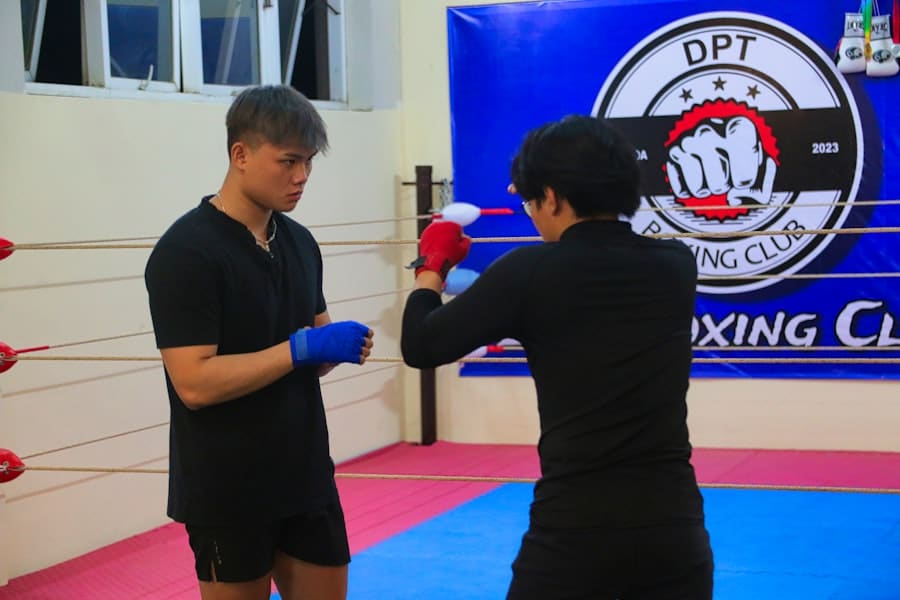
Once you’ve narrowed down your choices, the most crucial step is to visit the schools in person. This is where you can feel the atmosphere and observe the training.
Observing a Class in Session
This is your opportunity to see the school in action.
- Class Dynamics: How do students interact with each other and the instructors? Is there an atmosphere of respect and camaraderie?
- Instructor-Student Interaction: Observe how instructors provide feedback, correct techniques, and manage the class. Are they encouraging and attentive?
- Technique Execution: Are the techniques being taught clearly and with proper form? Is there a focus on practical application?
- Safety Protocols: Are there clear safety guidelines in place? How do they manage sparring or partner drills to minimize injuries?
Experiencing a Trial Class
Most reputable schools offer a free trial class. This is your golden ticket to experience the training firsthand.
- Physicality of the Training: How does the trial class feel? Is it challenging but manageable? Do you feel pushed beyond your comfort zone in a positive way?
- Instructional Clarity: Were the instructors able to explain techniques clearly and provide helpful guidance during the trial?
- Sense of Belonging: Did you feel welcomed and included by the other students and instructors?
Asking Pertinent Questions
Don’t be shy about asking questions. This is your investment, and you deserve clarity.
- Curriculum Breakdown: Can they provide a detailed breakdown of the curriculum and how it progresses over time?
- Progression System: How do students advance in rank or skill level? What are the requirements for promotion?
- Class Schedule Flexibility: Does the schedule offer enough options to accommodate your availability?
- Membership Costs and Contracts: Understand all fees, including membership dues, uniform costs, and any contract obligations. Be sure to read any contract thoroughly before signing.
- Student Demographics: Are there students whose profiles (age, fitness level, experience) are similar to yours?
If you’re looking for the best self-defense school in Desert Harbor, Peoria, Arizona, it’s essential to consider various aspects of personal safety and security. One informative resource that can help you understand the broader context of self-defense is an article on security assessments and audits. This article provides valuable insights into how to evaluate your personal security needs and can complement your self-defense training. To learn more about this important topic, you can read the article here.
Making Your Decision and Committing to Training
| Metric | Details |
|---|---|
| School Name | Desert Harbor Self-Defense Academy |
| Location | Desert Harbor, Peoria, Arizona |
| Programs Offered | Krav Maga, Brazilian Jiu-Jitsu, Muay Thai, Women’s Self-Defense |
| Instructor Experience | 10+ years certified in multiple martial arts disciplines |
| Class Size | 8-15 students per class |
| Student Success Rate | 95% report increased confidence and safety awareness |
| Facilities | Modern training mats, safety gear, and private training rooms |
| Class Schedule | Weekdays 6pm-9pm, Weekends 10am-2pm |
| Age Groups | Children (6+), Teens, Adults |
| Trial Class Availability | Free trial class available upon registration |
The final step is to synthesize your research and personal experience to make an informed decision.
Evaluating Program Costs and Value
Consider the financial investment in relation to the value offered.
- Cost-Benefit Analysis: Compare not just the monetary cost but also the quality of instruction, the breadth of the curriculum, the accessibility of the schedule, and the overall training environment.
- Long-Term Commitment: Self-defense is a journey, not a sprint. Consider the long-term financial implications of your chosen school.
- Hidden Fees: Ensure there are no unexpected or hidden fees that were not initially disclosed.
Committing to Consistent Training
The most effective self-defense school is only as good as your commitment to attending and learning.
- Attendance is Key: Regular attendance is crucial for skill development and retention. Aim for consistency.
- Embrace the Learning Process: Be patient with yourself. Learning takes time, and there will be challenges. Embrace the journey.
- Listen to Your Body: While pushing yourself is important, also listen to your body and rest when needed to prevent injury.
- Seek Feedback: Actively seek feedback from your instructors and training partners to identify areas for improvement.
As you embark on this path of self-empowerment in Desert Harbor, remember that the “best” school is ultimately the one that fits your unique needs and provides you with the tools, confidence, and skills to navigate the world with greater security and self-assurance. Your journey begins with a single step onto the training mat.
FAQs
What types of self-defense classes are offered at the best self-defense school in Desert Harbor, Peoria, Arizona?
The best self-defense schools in Desert Harbor, Peoria typically offer a variety of classes including martial arts like Brazilian Jiu-Jitsu, Krav Maga, Muay Thai, and basic self-defense techniques tailored for all age groups and skill levels.
Are the instructors at the top self-defense schools in Desert Harbor certified?
Yes, reputable self-defense schools in Desert Harbor ensure their instructors are certified professionals with extensive training and experience in their respective martial arts or self-defense disciplines.
What age groups can attend self-defense classes in Desert Harbor, Peoria?
Most self-defense schools in Desert Harbor offer classes for children, teens, and adults, with specialized programs designed to meet the needs and safety requirements of each age group.
How can I find the best self-defense school in Desert Harbor, Peoria, Arizona?
To find the best self-defense school, consider factors such as instructor qualifications, class variety, student reviews, facility cleanliness, and trial class availability. Visiting schools and speaking with instructors can also help in making an informed decision.
Is self-defense training in Desert Harbor suitable for beginners?
Absolutely. Many self-defense schools in Desert Harbor offer beginner-friendly classes that focus on fundamental techniques, building confidence, and personal safety awareness for individuals with no prior experience.