
You live in Paloma Lake, a community in Round Rock, Texas, that offers a blend of suburban tranquility and accessibility to urban amenities. As a resident, your peace of mind is paramount, and a robust home security system serves as the bedrock of that assurance. This article aims to guide you through the landscape of home security system services available to you in Paloma Lake, helping you make an informed decision to safeguard your property and loved ones.
Paloma Lake, like many growing suburban areas, presents a unique set of security considerations. While it’s a welcoming neighborhood, no community is entirely immune to the risks of property crime. Understanding these potential threats is the first step in selecting a security system that functions as your vigilant guardian.
Assessing Potential Risks in Your Neighborhood
Burglaries and Home Invasions
The most common concern for homeowners is the risk of burglary. While rates can fluctuate, having a deterrent in place is a proactive measure. Your home’s visibility, accessibility, and the presence of valuable items can all factor into its attractiveness to potential intruders. You should consider how accessible your property is from the street and any natural hiding spots around your home.
Package Theft
With the increasing reliance on online shopping, package theft from doorsteps has become a widespread issue. For a community like Paloma Lake, where residences might be spread out, this can be a recurring nuisance if not addressed. A security system that incorporates smart cameras can act as a significant deterrent and provide evidence if an incident occurs.
Vandalism and Property Damage
While less common than theft, vandalism can still be a concern. This might include graffiti, damage to landscaping, or minor destruction of property. A comprehensive security system can help monitor for and document such events, providing a record for potential law enforcement involvement and insurance claims.
Fire and Environmental Hazards
Home security extends beyond intrusion. Fire is a significant threat to any dwelling, and prompt detection is crucial. Similarly, other environmental hazards like carbon monoxide poisoning can pose silent dangers. Modern security systems often integrate sensors for these threats, providing an early warning that can be life-saving.
Securing Your Property’s Perimeter
Before delving into specific systems, consider the physical boundaries of your property. Are your fences robust? Are your gates secure? The best electronic security system cannot compensate for fundamental physical vulnerabilities. Think of your security system as the brain, but your physical defenses – strong doors, sturdy locks, and clear landscaping – are the body’s natural immunity.
If you’re considering the best home security system service in Paloma Lake, Round Rock, Texas, you might find it helpful to explore related resources that offer insights into home security solutions. One such article discusses expert recommendations for home security systems in Honolulu, Hawaii, which can provide valuable information on features and services that may also apply to your area. You can read more about it here: Home Security System Expert in Honolulu, Hawaii.
Key Components of a Modern Home Security System
Today’s home security systems are far more sophisticated than the alarms of yesteryear. They are interconnected, intelligent networks designed to provide multiple layers of protection. Understanding these components will empower you to choose a service that aligns with your specific needs and budget.
The Central Control Panel
This is the brain of your security system. It’s where all sensors and devices connect and communicate. Most modern control panels are user-friendly, often featuring touchscreen interfaces or mobile app compatibility for easy arming, disarming, and monitoring. Some advanced panels can also integrate with smart home devices, creating a more unified ecosystem.
Sensors and Detectors
These are the eyes and ears of your system. They come in various forms, each designed to detect specific types of threats.
Door and Window Sensors
These are perhaps the most fundamental sensors. They consist of two parts that, when separated (i.e., when a door or window is opened), trigger the alarm. They are strategically placed on all entry points to your home.
Motion Detectors
These devices sense movement within a designated area. Advanced motion detectors use infrared technology to detect body heat or microwave technology to detect changes in air pressure caused by movement. They are effective for covering larger interior spaces or critical exterior areas.
Glass Break Sensors
These sensors are designed to detect the specific sound frequency of breaking glass. They are particularly useful for windows and glass doors, providing an additional layer of protection.
Environmental Sensors
These are critical for safety beyond intrusion.
Smoke Detectors
These integrate with your security system to provide immediate alerts in case of fire, often sending signals to both your phone and the monitoring station.
Carbon Monoxide (CO) Detectors
These detect the presence of odorless, colorless carbon monoxide gas, a product of incomplete combustion, which can be fatal if undetected.
Water Leak Detectors
These can alert you to potential water damage from burst pipes or appliance malfunctions, preventing costly repairs.
Security Cameras
Cameras have become an indispensable part of modern home security. They provide visual verification of events and can act as a strong deterrent.
Indoor Cameras
These are useful for monitoring the interior of your home, especially when you’re away. They can provide peace of mind knowing you can check in on pets or monitor for unexpected activity.
Outdoor Cameras
These are crucial for perimeter security. They allow you to see who is at your door, monitor your driveway, and capture any suspicious activity around your property. Many outdoor cameras are weather-resistant and equipped with night vision for 24/7 surveillance.
Smart Doorbells
These combine a doorbell with a camera, microphone, and speaker, allowing you to see, hear, and speak to visitors from your smartphone, even when you’re not home. They are particularly effective against package thieves.
Professional Monitoring Services
This is the backbone of a truly effective security system. Professional monitoring centers are staffed 24/7 by trained professionals who respond to alarm events.
How Professional Monitoring Works
When an alarm is triggered, the signal is sent to the monitoring center. Operators then verify the alarm, typically by attempting to contact you. If they cannot reach you or if the situation warrants it, they will dispatch the appropriate emergency services (police, fire department) to your home. This ensures that help is on the way, even if you are unable to call for assistance yourself.
Response Times and Effectiveness
The speed of response from a monitoring center can be a critical factor in mitigating damage or apprehending intruders. Reputable monitoring services strive for rapid response times, which can make a significant difference in the outcome of an emergency.
Self-Monitoring vs. Professional Monitoring
This is a crucial distinction you will need to make.
Self-Monitoring
With self-monitoring, your system will send alerts directly to your smartphone or email. You are then responsible for assessing the situation and contacting emergency services if necessary. This can be a more budget-friendly option but requires constant vigilance on your part.
Professional Monitoring
This offers a higher level of security and peace of mind, as trained professionals are handling the response to alarms on your behalf. It often involves a monthly fee.
Navigating Service Providers in Paloma Lake
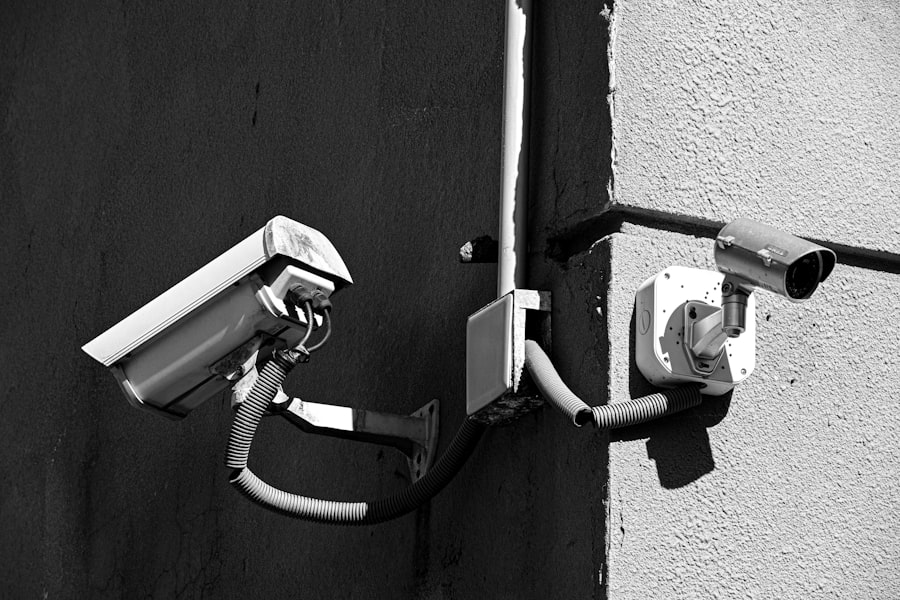
Finding the right security system service provider in Paloma Lake requires careful consideration of several factors. You’re not just buying hardware; you’re investing in a service that will be your partner in protecting your home.
Types of Security Service Providers
National Security Companies
These are large, established companies operating across the country. They often offer a wide range of equipment and services, with extensive professional monitoring networks. Examples include ADT, Vivint, and Brinks Home Security. Their brand recognition and long history can provide a sense of reliability.
Local Security Companies
These companies are based within the Round Rock or greater Austin area. They may offer more personalized service, quicker on-site response times for technical issues, and a deeper understanding of local crime patterns. They can be a good option if you prefer to support local businesses and have a direct point of contact.
DIY (Do-It-Yourself) Security Systems
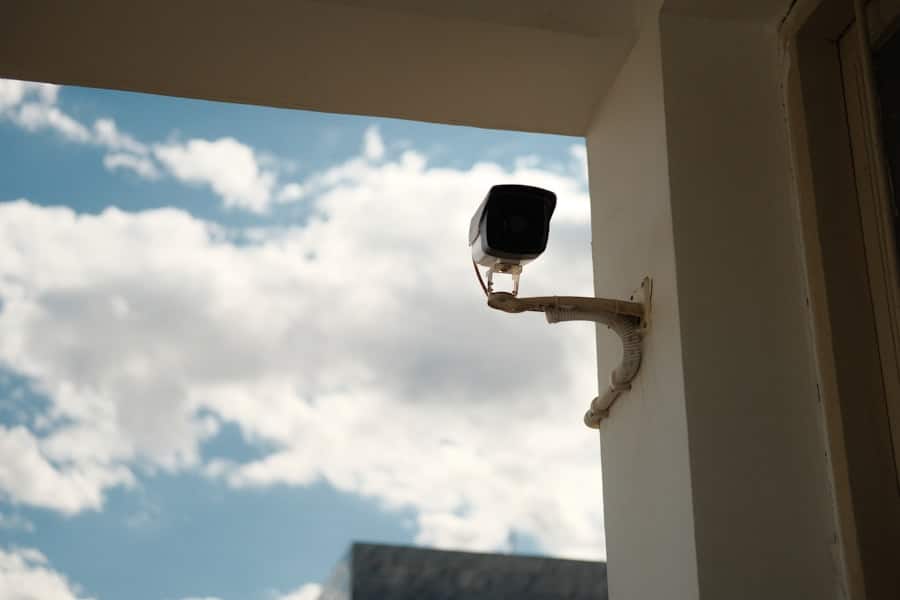
These systems, such as SimpliSafe or Ring Alarm, are designed for easy installation by the homeowner. They often offer flexible monitoring plans, including self-monitoring options, and can be more affordable upfront. While installation is straightforward, you are responsible for troubleshooting any technical issues.
Key Factors to Consider When Choosing a Provider
When comparing providers, look beyond just the price tag. A comprehensive evaluation will lead you to a more suitable solution.
Installation Process and Costs
Understand whether the system requires professional installation or if it’s designed for DIY. Professional installation can add to the upfront cost but ensures correct setup. DIY installation can save money but requires your time and effort. Some companies offer free installation as part of a long-term contract.
Equipment Quality and Features
Assess the quality of the sensors, cameras, and control panel. Do they offer the features you need, such as wireless connectivity, high-definition video, or integrations with other smart home devices?
Monitoring Plans and Contract Lengths
This is a significant area of differentiation. What are the monthly fees? What is included in the monitoring service? Are there different tiers of service? Pay close attention to contract lengths. Many companies require multi-year contracts, and early termination fees can be substantial. Understand these terms thoroughly before signing.
Customer Service and Support
What is the reputation of the company’s customer service? How accessible are they for technical support or questions? Online reviews and customer testimonials can offer valuable insights.
Technology and Future-Proofing
Does the provider use up-to-date technology? Will the system be able to accommodate future upgrades or integrate with emerging smart home standards? A system that feels outdated in a few years can become a costly burden.
Evaluating Contracts and Pricing Structures
| Service Provider | Installation Time | Monitoring Options | Customer Rating (out of 5) | Equipment Warranty | Smart Home Integration | 24/7 Support |
|---|---|---|---|---|---|---|
| SecureHome Solutions | 1-2 Days | Professional & Self-Monitoring | 4.8 | 3 Years | Yes (Alexa, Google Home) | Yes |
| Paloma Lake Security | Same Day | Professional Monitoring | 4.6 | 2 Years | Yes (Apple HomeKit) | Yes |
| Round Rock Alarm Co. | 2-3 Days | Self-Monitoring | 4.4 | 1 Year | No | Yes |
| Texas Home Guard | 1 Day | Professional Monitoring | 4.7 | 3 Years | Yes (Alexa, Google Home, Apple HomeKit) | Yes |
The contract you sign is a crucial document that dictates your rights, responsibilities, and financial commitment. Understanding its nuances is as important as understanding the technology itself.
Understanding Contractual Agreements
Contract Lengths and Termination Clauses
As mentioned, multi-year contracts are common. Be aware of the duration and any penalties associated with breaking the contract early. Some contracts automatically renew if not canceled within a specific timeframe.
Equipment Ownership vs. Lease Agreements
Some providers sell the equipment outright, while others lease it to you as part of the monthly fee. If you own the equipment, you have more flexibility if you decide to switch providers. With leased equipment, you’ll need to return it upon contract termination, and in some cases, there might be associated fees.
Price Escalation Clauses
Be vigilant for clauses that allow the provider to increase your monthly fees over time. While some increases might be tied to inflation, others could be at the provider’s discretion.
Hidden Fees and Add-On Costs
Beyond the advertised monthly rate, inquire about any potential hidden fees, such as activation fees, service charges for service calls, or costs for additional equipment.
Comparison of Pricing Models
To make a sound financial decision, you need to compare apples to apples.
Upfront Equipment Costs
Some systems have a high upfront cost for the hardware, while others spread the cost over the contract term.
Monthly Monitoring Fees
These fees cover the cost of professional monitoring, software updates, and sometimes equipment maintenance. They can vary significantly based on the level of service and the provider.
Installation Fees
Some companies charge a fee for professional installation, while others include it in the overall package or offer it for free under certain conditions.
Potential for Discounts
Inquire about any available discounts, such as those for homeowners insurance, military service, or bundled services.
When considering the best home security system service in Paloma Lake, Round Rock, Texas, it’s essential to explore various options that suit your specific needs. A comprehensive understanding of home security measures can greatly enhance your decision-making process. For more insights on effective strategies and products, you can read a related article that discusses various home security measures in detail. This resource can provide valuable information to help you choose the right system for your home. To learn more, visit this article.
Implementing and Maintaining Your Home Security System
Once you’ve chosen a provider and signed a contract, the work isn’t over. Proper implementation and ongoing maintenance are key to ensuring your system functions optimally.
The Installation Process
Whether professionally installed or DIY, ensure the installation is thorough.
Professional Installation Best Practices
If you opt for professional installation, be present during the process. Ask the technician questions about how the system works and how to use its features. Ensure they test all sensors and components thoroughly before leaving. A well-trained technician will explain the system’s functionality and address any initial concerns you may have.
DIY Installation Tips
If you’re installing the system yourself, read the manuals thoroughly. Watch instructional videos provided by the manufacturer. Test each component as you install it. Don’t hesitate to contact customer support if you encounter difficulties. Your home’s security relies on a correctly functioning system, so take your time and ensure each step is done correctly.
Ongoing Maintenance and Updates
Your security system is not a set-it-and-forget-it device. Regular maintenance ensures its reliability.
Battery Replacement
Wireless sensors and devices rely on batteries. Most systems will alert you when batteries are low, but it’s good practice to be aware of their typical lifespan and check them periodically.
Software and Firmware Updates
Many modern security systems receive regular software and firmware updates to improve performance, add new features, or patch security vulnerabilities. Ensure your system is configured to receive these updates automatically or that you are prompted to install them.
Sensor Testing and Calibration
Periodically test your sensors to ensure they are functioning correctly. This might involve deliberately tripping a motion sensor or opening a door with a sensor. Most systems have a test mode to allow for this without triggering a false alarm.
Camera Cleaning and Maintenance
Keep your outdoor camera lenses clean to ensure clear video footage. Check for any physical damage to cameras or their mounting hardware.
Understanding False Alarms and Their Consequences
False alarms can be a nuisance for you and your community. They can also incur fines in some municipalities.
Common Causes of False Alarms
These can include pets triggering motion sensors, doors not being closed properly, or even user error when arming or disarming the system.
Strategies to Minimize False Alarms
Proper installation, educating all household members on system operation, and using pet-immune sensors are effective strategies. Ensure windows and doors are securely closed before arming the system.
Municipality Ordinances and Fines
Research Round Rock’s local ordinances regarding alarm system response and false alarms. Some cities will issue warnings for the first few false alarms, while subsequent ones may result in fines. This emphasizes the importance of prompt and accurate system operation.
When considering the best home security system service in Paloma Lake, Round Rock, Texas, it’s essential to explore various options that ensure your safety and peace of mind. A related article that delves into the importance of network security can provide valuable insights into how to protect your home from potential threats. For more information on this topic, you can read about it in this network security article, which highlights key strategies to enhance your overall home security system.
Considering Smart Home Integration and Future Trends
The home security landscape is constantly evolving, with increasingly sophisticated integration with other smart home technologies. Thinking about these trends can help you choose a system that remains relevant for years to come.
The Rise of the Smart Home Ecosystem
Your security system can become the central hub for a more connected and automated home.
Voice Control Integration
Many security systems can be controlled using voice commands through smart assistants like Amazon Alexa or Google Assistant. This allows for convenient arming and disarming of your system by simply speaking a command.
Automation and Routines
You can set up automated routines where your security system interacts with other smart devices. For example, when you arm your system for “away” mode, your smart lights could automatically turn off, and your smart thermostat could adjust to an energy-saving setting.
Integration with Other Smart Devices
Beyond lighting and thermostats, security systems can integrate with smart locks, garage door openers, and even smart appliances, creating a more seamless and convenient living experience.
Emerging Trends in Home Security
The industry is not static. Staying informed about what’s on the horizon can be beneficial.
AI-Powered Video Analytics
Future systems will likely leverage artificial intelligence (AI) to analyze video feeds more intelligently. This could include identifying specific individuals, detecting unusual behavior patterns, or distinguishing between pets and humans to reduce false alarms.
Predictive Security Measures
Advancements in AI and data analysis may lead to security systems that can predict potential threats based on historical data and environmental factors, allowing for proactive rather than reactive security.
Enhanced Cybersecurity for Connected Devices
As more devices become connected, cybersecurity becomes paramount. Providers are increasingly focusing on robust encryption and security protocols to protect your home network from potential cyber threats.
Beyond DIY: Professionally Installed Smart Systems
While DIY systems are popular, there’s a growing trend towards professionally installed and integrated smart home security systems that offer a more comprehensive and seamless experience, often with advanced features and dedicated support.
By carefully considering your specific needs, thoroughly researching providers, understanding contract terms, and staying aware of technological advancements, you can select a home security system service in Paloma Lake that provides robust protection and lasting peace of mind. Your home is your sanctuary, and investing in its security is an investment in your well-being.
FAQs
What types of home security systems are available in Paloma Lake, Round Rock, Texas?
Home security systems in Paloma Lake typically include options such as wired and wireless alarm systems, video surveillance cameras, smart home integration, motion detectors, and 24/7 professional monitoring services.
How do I choose the best home security system service in Paloma Lake?
Choosing the best service involves considering factors like system features, customer reviews, installation options, monitoring plans, pricing, and the provider’s reputation for reliability and customer support in the Paloma Lake area.
Are professional installation services available for home security systems in Paloma Lake?
Yes, many home security companies in Paloma Lake offer professional installation services to ensure that your system is set up correctly and functions optimally.
Can I monitor my home security system remotely in Paloma Lake?
Most modern home security systems available in Paloma Lake include mobile app integration, allowing homeowners to monitor and control their security devices remotely from smartphones or tablets.
What is the average cost of a home security system service in Paloma Lake, Round Rock?
The cost varies depending on the system type, features, and monitoring plans, but typically ranges from $20 to $60 per month for monitoring, with initial equipment and installation fees varying based on the provider and system complexity.