
When considering home security for your residence in Parkridge, Peoria, Arizona, you’re not just thinking about a collection of gadgets; you’re investing in peace of mind, a shield for your sanctuary. The best home security system service in this specific locale is not a one-size-fits-all proposition, but rather a tailored solution that anticipates the unique needs of Parkridge residents. This article will guide you through the critical factors to consider, from the fundamental types of systems to the nuances of professional monitoring and local considerations.
Before you can discern what constitutes the “best,” you must first understand the foundational components of modern home security. These are not just alarm bells; they are interconnected systems designed to deter, detect, and alert. Your understanding of these core elements will equip you to ask the right questions and make informed decisions.
The Pillars: Alarm Systems and Their Functionality
At its heart, a home security system is an alarm. However, the sophistication and reach of these alarms have evolved significantly.
Intrusion Detection: The First Line of Defense
Intrusion detection sensors are the sentinels of your home. These devices, when triggered, initiate the alarm sequence. You’ll encounter several types:
Door and Window Sensors: The Sensitive Edges
These are perhaps the most ubiquitous sensors. Typically magnetic, they consist of two parts that align when a door or window is closed. When this alignment is broken, the sensor signals the control panel. Their placement is strategic, covering all potential points of entry. Consider them the vigilant eyes on every portal to your home.
Motion Detectors: The Unseen Guardians
Motion detectors employ various technologies, most commonly passive infrared (PIR) or dual-technology (PIR and microwave). PIR sensors detect heat signatures and changes in infrared radiation. Dual-technology sensors reduce false alarms by requiring both heat signatures and movement to be detected within a certain timeframe. Their placement is crucial to avoid false triggers from pets or environmental factors, acting as the watchful sentinels within your living spaces.
Glass Break Detectors: The Sensitive Ears
These specialized sensors listen for the specific acoustic frequency of breaking glass. They are particularly valuable for residences with numerous large windows or sliding glass doors, providing an extra layer of security for vulnerable openings. Think of them as the sensitive ears tuned to the sound of intrusion.
Environmental Monitoring: Beyond Burglary
Modern security systems extend their protective embrace beyond just intruders. They can also act as early warning systems for household hazards.
Smoke and Carbon Monoxide Detectors: The Breath of Safety
Integrated smart smoke and carbon monoxide detectors are a vital component for any home. Unlike standalone units, when connected to a security system, they can trigger not only local alarms but also dispatch emergency services, even if you are not home. This is a crucial safeguard, offering a swift response to life-threatening situations.
Water Leak Sensors: The Silent Flood Watch
Leaky pipes and appliance failures can cause significant water damage. Water leak sensors, placed near washing machines, dishwashers, or in basements, can detect moisture and alert you, potentially preventing costly repairs. They are the silent guardians against the insidious creep of water damage.
The Brains of the Operation: Control Panels and Connectivity
The control panel is the central nervous system of your security. It receives signals from sensors, processes them, and dictates the system’s response.
Wired vs. Wireless Systems: A Technological Divide
Historically, security systems were predominantly wired. However, wireless technology has become increasingly reliable and offers greater flexibility in installation.
Wired Systems: The Robust Foundation
Wired systems typically offer a stable and secure connection, less susceptible to interference. However, installation can be more intrusive and expensive, often requiring drilling through walls. They are like the bedrock of a fortress, sturdy and dependable but requiring significant effort to establish.
Wireless Systems: The Agile Defender
Wireless systems, utilizing radio frequency or Wi-Fi, offer easier installation and greater portability. They are ideal for renters or for homes where minimal disruption is desired. Their agility makes them adaptable to changing needs.
Smart Home Integration: The Connected Ecosystem
The integration of security systems with broader smart home ecosystems is a defining feature of modern offerings.
Wi-Fi, Cellular, and Broadband: The Communication Arteries
Your system’s ability to communicate with you and a monitoring center relies on its connectivity. Wi-Fi is common for app-based control, while cellular backup provides a crucial lifeline if your home internet is compromised. Broadband ensures robust data transmission. These are the vital communication arteries that keep your system alive and responsive.
Mobile App Control: Your Remote Command Center
Most modern systems come with dedicated mobile applications. These apps allow you to arm/disarm your system, receive alerts, view camera feeds, and often control other smart home devices remotely. This grants you the power of a remote command center, placing control directly into your hands.
If you’re looking for comprehensive information on home security systems, you might find the article on the Best Home Security System Expert in Boston, Massachusetts, particularly insightful. It discusses various aspects of home security services that can also be applicable to residents in Parkridge, Peoria, Arizona. For more details, you can check out the article here: Best Home Security System Expert in Boston, Massachusetts.
Professional Monitoring: The Ever-Vigilant Eye
While self-monitored systems offer a degree of awareness, professional monitoring transforms your security system from a passive deterrent into an active guardian. This is where the “service” aspect of a home security system service truly shines.
The Role of the Monitoring Center: A Lifeline in Crisis
A professional monitoring center acts as an extension of your security, a human element ready to respond when your system is triggered.
Dispatching Emergency Services: The Critical Link
When an alarm is triggered and verified, the monitoring center’s primary function is to dispatch the appropriate emergency services – police, fire, or medical. This immediate action is paramount, especially when you are away from home or unable to act yourself. They are the critical link between your home’s distress signal and external aid.
Verification Protocols: Minimizing False Alarms
Reputable monitoring services employ rigorous verification protocols to minimize false alarms, which can lead to unnecessary dispatch fees and strain on emergency resources. This might involve calling you or designated contacts, or even analyzing camera footage. This ensures that the alarm you raise is genuine, like a trusted informant confirming a threat.
Types of Monitoring Services: Tailoring Your Response
Not all professional monitoring is created equal. Understanding the different approaches will help you choose the service that best suits your needs and budget.
Landline Monitoring: The Traditional Approach
Older systems may rely on a traditional phone line for communication with the monitoring center. While still functional, this method is vulnerable if the phone line is cut or damaged. It’s the dependable, yet potentially fragile, old guard of communication.
Cellular Monitoring: The Modern Standard
Cellular monitoring uses a dedicated cellular module within your security system to communicate with the monitoring center. This is generally considered more reliable as it’s independent of your home’s phone or internet service. This is the robust, modern standard, offering resilience.
Internet Protocol (IP) Monitoring: The High-Speed Connection
IP monitoring utilizes your home’s internet connection to transmit alarm signals. While fast and efficient, it’s dependent on the stability of your broadband service and can be a target for cyber threats if not properly secured. This offers speed but requires a secure and stable pathway.
DIY vs. Professionally Installed and Monitored Systems: A Crucial Distinction
The term “home security system service” can encompass a spectrum from DIY kits with optional monitoring to fully integrated professional installations.
DIY Systems: The Empowered Homeowner
DIY systems offer flexibility and potentially lower upfront costs. You purchase the equipment and often manage the setup yourself. Many reputable companies now offer self-installable systems with optional professional monitoring services. This empowers you to be the architect of your security.
Professionally Installed and Monitored Systems: The Comprehensive Solution
Professionally installed systems are set up by trained technicians, ensuring optimal placement and functionality of all components. These are typically bundled with long-term professional monitoring contracts, offering a hands-off, comprehensive security solution. This is the turnkey approach, where experts handle every aspect.
Local Considerations for Parkridge, Peoria, Arizona
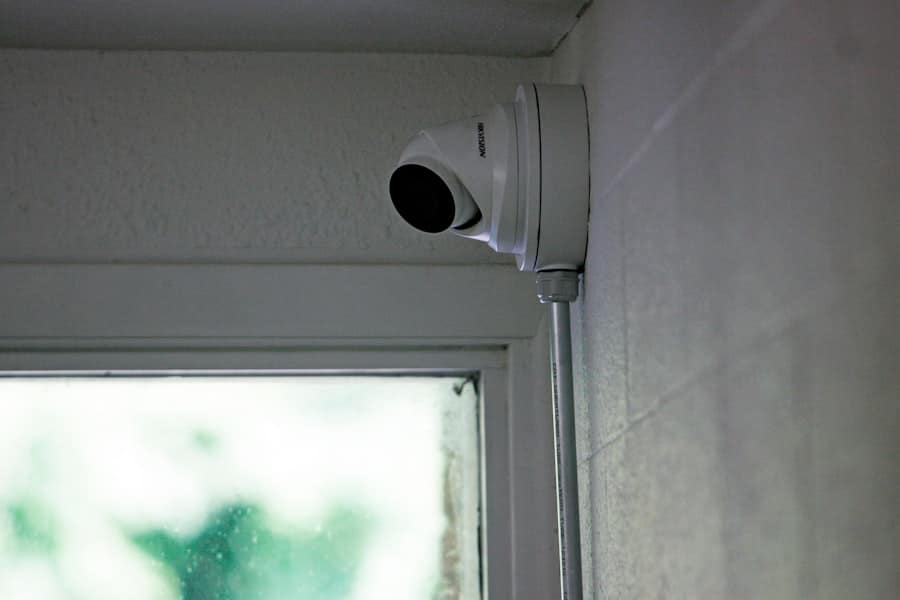
The “best” security system is inextricably linked to the specific environment you inhabit. Parkridge, Peoria, Arizona, like any community, has its own unique characteristics that influence security needs.
Understanding Local Crime Trends: The Data Behind Deterrence
While specific crime statistics for individual neighborhoods can be difficult to pinpoint without specialized reports, understanding general crime trends in Peoria can inform your security strategy. Researching data from the Peoria Police Department or reputable crime mapping websites will provide a clearer picture. Are property crimes, such as burglaries, more prevalent? Are there specific times of day or year when incidents tend to increase? This factual understanding is your compass in navigating the security landscape.
Property Types and Layouts in Parkridge: Tailoring the Shield
Parkridge, like many suburban communities, will feature a variety of property types, from single-family homes to townhouses and possibly apartments.
Single-Family Homes: The Expansive Frontier
If you reside in a single-family home, you likely have more doors and windows to secure, and potentially a larger perimeter to monitor. The emphasis here will be on comprehensive intrusion detection, exterior surveillance, and robust perimeter alarm systems. Your security needs will be like fortifying a sprawling estate.
Townhouses and Attached Homes: Shared Vulnerabilities and Solutions
If you live in a townhouse or an attached home, your security considerations might include shared walls and common access points. While less exposed exteriorly, interior intrusion detection remains paramount. You may also need to consider the security of shared garages or common doorways. Your security plan here must acknowledge the interconnectedness of your dwelling with its neighbors.
Climate and Environmental Factors: Resilience in the Arizona Sun
The Arizona climate presents specific challenges that can impact home security systems.
Heat and Sun Exposure: Protecting Your Technology
Extreme heat and prolonged sun exposure can affect the lifespan and performance of outdoor security cameras and other electronic components. It is crucial to select equipment rated for outdoor use in high temperatures and consider the placement of devices to minimize direct sun exposure. Your technology needs to be as resilient as an inhabitant of this arid landscape.
Dust and Monsoon Season: Maintaining Visibility and Functionality
The arid environment means dust can accumulate on lenses, obscuring camera views. During monsoon season, heavy rain can affect outdoor sensors and connectivity. Regular cleaning of camera lenses and ensuring the weatherproofing of all outdoor equipment are essential maintenance tasks. These are the subtle but significant environmental factors that require ongoing attention.
Key Features to Look For in a Parkridge Home Security Service
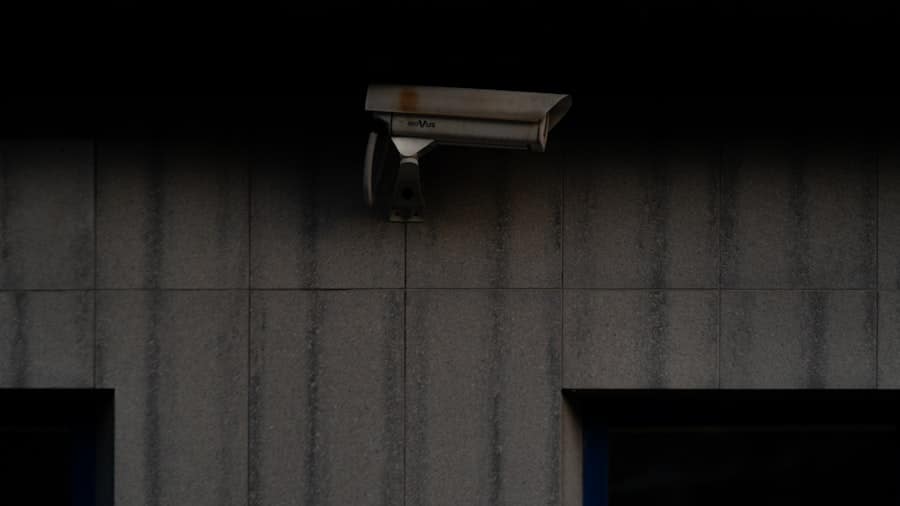
Navigating the sea of home security providers in Parkridge requires a discerning eye. You’re not just buying a service; you’re selecting a partner in your home’s safety.
Advanced Technology and Smart Integration: The Intelligent Defender
The best services leverage cutting-edge technology to provide comprehensive protection and user convenience.
High-Definition Surveillance Cameras: The Unblinking Watchers
Indoor and outdoor cameras with high-definition resolution are essential for clear identification of individuals and events. Features like night vision, motion-activated recording, and two-way audio add significant value. These are the unblinking watchers that capture every detail, day or night.
Features to Prioritize:
- Resolution: 1080p or higher for clear imagery.
- Night Vision: Infrared LEDs for effective low-light recording.
- Field of View: Wide-angle lenses to cover more area.
- Weather Resistance: IP ratings for outdoor cameras to withstand elements.
- Motion Detection: Customizable zones and sensitivity.
- Two-Way Audio: For communication with visitors or deterring intruders.
Smart Home Hub Integration: The Unified Command
A security system that integrates seamlessly with other smart home devices (smart lights, thermostats, smart locks) offers enhanced functionality and automation. This allows for scenario-based security, such as lights turning on when motion is detected outdoors. This creates a symphony of connected devices, all working towards a common goal.
Examples of Smart Integration:
- Smart Lock Control: Arm/disarm the system when locking/unlocking doors.
- Lighting Automation: Lights activate upon motion detection or alarm events.
- Thermostat Adjustment: Climate control can respond to home occupancy.
- Voice Assistant Compatibility: Control via platforms like Alexa or Google Assistant.
Reliable Monitoring and Professional Response: The Backstop
This is arguably the most critical aspect of a “service.” When seconds count, the reliability of your monitoring is paramount.
24/7 Professional Monitoring Centers: The Always-On Guardians
Your chosen service should operate a dedicated, U.L.-listed (Underwriters Laboratories) monitoring center that is operational 24 hours a day, 7 days a week. This ensures that no matter the time, there is someone listening and ready to act. They are the always-on guardians of your home’s safety.
Redundant Communication Pathways: Ensuring Connectivity
The monitoring service should offer redundant communication pathways for alarm signals, such as cellular backup in addition to broadband. This guarantees that even if one communication method fails, the signal can still reach the monitoring center. This is the fail-safe mechanism that ensures your message gets through.
The Importance of Redundancy:
- Cellular Backup: Crucial for resilience against internet outages or tampering.
- Battery Backup: Ensuring the control panel and key components remain powered during outages.
- Diversified Network Infrastructure: Robust systems at the monitoring center to prevent single points of failure.
Customer Service and Support: The Human Element
Beyond the technology, the quality of customer service and support is a significant factor in your overall experience with a home security system service.
Local Presence and Responsiveness: The Neighborhood Advocate
A provider with a strong local presence in Parkridge or the greater Peoria area can offer more responsive support and faster response times for technician visits. Understanding the local landscape is a key advantage. They are your neighborhood advocate, familiar with the terrain.
Accessible and Knowledgeable Support Staff: The Guiding Hand
When you have questions or issues, you want to speak with knowledgeable and helpful customer service representatives. Look for companies with a reputation for excellent customer support, offering multiple channels of communication (phone, chat, email). These are the guiding hands that offer reassurance and solutions.
If you’re considering enhancing your home security in Parkridge, Peoria, Arizona, it’s essential to explore various options available to you. A related article that offers valuable insights into personal safety measures is Tactical Self-Defense Strategies. This resource provides practical tips that can complement your home security system, ensuring you are well-prepared for any situation. By combining a robust security system with self-defense knowledge, you can create a safer environment for you and your loved ones.
Choosing Your Parkridge Home Security Provider: A Systematic Approach
| Service Provider | Monitoring Type | Equipment Included | Installation Type | Customer Rating (out of 5) | Response Time (minutes) | Contract Length | Additional Features |
|---|---|---|---|---|---|---|---|
| Parkridge Secure Home | 24/7 Professional Monitoring | Door/Window Sensors, Motion Detectors, HD Cameras | Professional Installation | 4.8 | 30 | 12 months | Mobile App Control, Smart Home Integration |
| Peoria Safe Systems | Self-Monitoring & Professional Backup | Wireless Sensors, Indoor/Outdoor Cameras | DIY or Professional Installation | 4.5 | 25 | No Contract | Voice Control, Cloud Storage |
| Arizona Home Shield | 24/7 Professional Monitoring | Smart Locks, Glass Break Sensors, Cameras | Professional Installation | 4.7 | 20 | 24 months | Geo-Fencing, Emergency Response |
| SecureNest Peoria | Self-Monitoring | Basic Sensors, HD Cameras | DIY Installation | 4.3 | — | No Contract | Custom Alerts, Battery Backup |
The selection process should be methodical, akin to building a strong foundation for your home. Avoid impulsive decisions and focus on understanding your needs and matching them with suitable providers.
Step 1: Assess Your Security Needs and Budget
Before you even begin researching companies, take stock of what you truly need.
Identifying Vulnerabilities: Your Home’s Weak Points
Walk through your home and identify potential entry points. Consider your lifestyle – do you travel frequently? Do you have pets? Are valuable items of particular concern? This self-assessment is the blueprint for your security plan.
Establishing a Budget: Realistic Financial Planning
Home security systems vary significantly in cost, from initial equipment purchase and installation fees to ongoing monthly monitoring charges. Determine a realistic budget that you are comfortable with, keeping in mind that investing in quality security can prevent much larger financial losses down the line. This is the financial scaffolding that supports your security investment.
Step 2: Research Potential Providers in Parkridge
Once you have a clear understanding of your needs and budget, begin your research.
Online Reviews and Reputation: The Collective Wisdom
Scour online reviews, consumer reports, and independent testing sites to gauge the reputation and reliability of different providers. Look for consistent feedback regarding installation, system performance, and customer service. This is the collective wisdom of past customers, offering invaluable insights.
Requesting Quotes and Demonstrations: Seeing is Believing
Contact several reputable providers and request detailed quotes for systems that meet your needs. If possible, ask for a demonstration of their technology and explain your specific security concerns. This allows you to compare offerings directly and get a feel for the company’s approach.
Step 3: Evaluate Contracts and Terms of Service: The Fine Print Matters
This is a critical step that many overlook, but the long-term implications of your contract are significant.
Understanding Contract Lengths and Renewal Clauses: The Commitment
Many security companies require long-term contracts for professional monitoring. Carefully review the contract length, early termination fees, and automatic renewal clauses. Ensure you understand the commitment you are making. The contract is the foundation of your agreement, and its details are vital.
Equipment Ownership vs. Lease Agreements: Who Owns the Shield?
Some providers lease equipment as part of their service, while others require you to purchase it upfront. Understand who owns the equipment at the end of the contract and what happens if you move. This impacts your long-term costs and flexibility.
By following a structured approach, you can confidently select a home security system service that provides robust protection and peace of mind for your residence in Parkridge, Peoria, Arizona. Remember, the best system is not necessarily the most expensive, but the one that most effectively addresses your individual needs and provides a reliable layer of security for your home and family.
FAQs
What features should I look for in a home security system in Parkridge Peoria, Arizona?
When choosing a home security system in Parkridge Peoria, look for features such as 24/7 professional monitoring, motion detectors, door and window sensors, video surveillance cameras, mobile app control, and integration with smart home devices. Reliable customer support and easy installation are also important.
Are there local companies that provide home security system services in Parkridge Peoria?
Yes, several local and regional companies offer home security system services in Parkridge Peoria, Arizona. These providers often offer customized packages tailored to the specific security needs of homes in the area.
How much does a typical home security system cost in Parkridge Peoria?
The cost of a home security system in Parkridge Peoria varies depending on the features, equipment, and monitoring services selected. Basic systems may start around a few hundred dollars, with monthly monitoring fees ranging from $20 to $50. More advanced systems with additional features can cost more.
Is professional installation necessary for home security systems in Parkridge Peoria?
While some home security systems offer DIY installation options, professional installation is recommended for optimal placement of sensors and cameras, ensuring the system functions effectively. Many service providers in Parkridge Peoria offer professional installation as part of their packages.
Can I control my home security system remotely in Parkridge Peoria?
Yes, most modern home security systems available in Parkridge Peoria include mobile app access, allowing homeowners to monitor and control their security devices remotely. This includes arming or disarming the system, viewing live camera feeds, and receiving alerts on smartphones or tablets.