
When you are considering the best home security system service in Gilbert, Arizona, you are essentially embarking on a crucial journey to fortify your sanctuary. This is not a decision to be made lightly, as it involves safeguarding your most valuable assets – your family, your possessions, and your peace of mind. The landscape of home security is a complex ecosystem, and navigating it requires a clear understanding of your needs and the available solutions. This guide aims to provide you with a factual and informed perspective, empowering you to make the most judicious choice for your home in Gilbert.
Before delving into specific services, it’s imperative to establish a firm grasp of your unique security requirements. Your home, like a living organism, has vulnerabilities, and identifying them is the first step toward building a robust defense. Think of it as understanding the circulatory system of your household – where are the weak points, and how can they be strengthened?
Assessing Your Home’s Vulnerabilities
- Entry Points: Windows and doors are the most common points of ingress for intruders. Are your current locks robust? Are there areas of your property that are less visible and thus more attractive targets? Consider the number and accessibility of windows, especially those on the ground floor or near landscaping that could provide cover.
- Location and Neighborhood: Gilbert, while generally a safe community, has varying levels of crime statistics in different areas. Researching your specific neighborhood’s crime trends can inform your security strategy. Is your home in a high-traffic area, or is it more secluded?
- Occupancy Patterns: Understanding when your home is typically occupied and when it is vacant is critical. If you travel frequently, or if your home is empty for extended periods during the day, you will have different security needs than someone who is home most of the time.
- Valuables: While all possessions have value, some are more attractive targets than others. Consider the presence of high-value electronics, jewelry, or other easily portable items that might be a draw for opportunistic burglars.
- Personal Safety Concerns: Beyond property crime, some individuals have specific concerns related to personal safety, such as the presence of elderly residents, young children, or individuals with medical conditions that require prompt attention in emergencies.
Defining Your Security Goals
Once you have identified potential vulnerabilities, you can articulate your security goals more precisely. What do you want your security system to achieve?
- Deterrence: A visible security system can act as a powerful deterrent. The mere presence of cameras, alarm signs, and monitored systems can make your home a less appealing target for criminals.
- Detection: When deterrence fails, detection becomes paramount. This involves systems that can identify unauthorized entry and alert you and/or authorities immediately.
- Response: Beyond detection, an effective security system facilitates a swift and appropriate response. This might involve dispatching emergency services, triggering audible alarms, or providing remote monitoring capabilities.
- Convenience and Control: Modern security systems often integrate with smart home technology, offering enhanced convenience and control over your home’s security features from anywhere via a smartphone or tablet.
When considering the best home security system service in Gilbert, Arizona, it’s essential to stay informed about various safety measures that can enhance your preparedness. A related article that provides valuable insights into emergency readiness is titled “Strength in Readiness: Navigating Nuclear Incidents with Confidence.” This article discusses the importance of being prepared for unexpected situations and can complement your home security planning. You can read it here: Strength in Readiness: Navigating Nuclear Incidents with Confidence.
Key Components of Home Security Systems
A comprehensive home security system is like a well-trained sentinel, consisting of various components working in concert to protect your property. Understanding these individual parts will help you evaluate the offerings of different security service providers in Gilbert.
Intrusion Detection Systems
These are the frontline defense mechanisms designed to detect unauthorized entry. They form the nervous system of your security setup, sensing disruptions and relaying information.
Door and Window Sensors
- These small devices are typically magnetic. When a door or window is opened, the magnetic connection is broken, triggering an alarm. They are essential for securing the primary entry points of your home.
- Contact Sensors: These are the most common type, utilizing a magnet and a reed switch. When the magnet is removed from the switch (by opening the door or window), the circuit is broken, and the alarm is activated.
- Break Sensors: Less common for residential use, these sensors are designed to detect the vibration or shattering of glass. They can be an additional layer of protection for vulnerable windows.
Motion Detectors
- These devices use various technologies to sense movement within a designated area. They are particularly effective for monitoring larger spaces, such as living rooms, hallways, or basements.
- Passive Infrared (PIR) Sensors: These are the most prevalent type, detecting changes in infrared radiation emitted by warm bodies. They are effective against humans and animals but can sometimes be triggered by direct sunlight or HVAC vents.
- Dual-Technology Detectors: Combining PIR technology with other sensing methods, such as microwave or ultrasonic, can reduce false alarms by requiring both triggers to be activated, making them more discerning.
- Pet-Immune Motion Detectors: These are calibrated to ignore the movement of small animals, preventing unnecessary activations when a pet is present in the home.
Glass Break Detectors
- As the name suggests, these sensors are specifically designed to detect the sound frequency of breaking glass. They act as an auditory sentinel, listening for the telltale sound of intrusion.
- Acoustic Sensors: These analyze the specific sound patterns associated with breaking glass. They are often placed strategically to cover multiple windows in a room.
Surveillance Systems
Surveillance systems provide the eyes of your security operation, offering visual evidence and the ability to monitor activity in and around your home. They are the watchful gaze that records the comings and goings.
Security Cameras
- These are the most visible aspect of a surveillance system, capturing video footage of your property. The types and functionalities vary significantly.
- Indoor Cameras: Designed for use inside the home, these cameras can monitor living areas, entryways, or other internal spaces.
- Outdoor Cameras: Built to withstand the elements, outdoor cameras secure the perimeter of your property, driveways, and yards. Features like night vision and weather resistance are crucial.
- Wired vs. Wireless Cameras: Wired cameras generally offer a more stable connection and power source, while wireless cameras provide greater installation flexibility.
- Resolution and Field of View: Higher resolution cameras capture clearer images, while a wider field of view covers a larger area.
- Night Vision: Essential for round-the-clock monitoring, night vision allows cameras to capture images in low-light or completely dark conditions.
Digital Video Recorders (DVRs) and Network Video Recorders (NVRs)
- These devices are the memory banks of your surveillance system, storing the captured video footage.
- DVRs: Typically used with analog cameras, DVRs record video onto internal hard drives.
- NVRs: Used with IP (Internet Protocol) cameras, NVRs record video data over a network, offering greater scalability and remote access capabilities.
Monitoring and Alerting Services
This is the sophisticated communication network that ensures you and/or emergency responders are alerted when an incident occurs. This is the dispatch center, the lifeline of your security system.
Professional Monitoring
- This is a service where a third-party company actively monitors your alarm system 24/7. When an alarm is triggered, the monitoring center receives the signal and follows pre-determined protocols, which may include contacting you, your designated emergency contacts, or dispatching law enforcement.
- Dispatch Protocols: Understanding how the monitoring center will respond to different alarm triggers is crucial. This includes verification procedures to minimize false alarms.
- Response Times: The speed at which the monitoring center acknowledges and acts upon an alarm is a critical factor.
Self-Monitoring
- With self-monitoring, you receive alerts directly from your security system via your smartphone or other devices. You are then responsible for assessing the situation and contacting emergency services if necessary.
- App-Based Alerts: Modern systems offer sophisticated mobile applications that provide real-time notifications, camera feeds, and system control.
- Responsibility for Response: This option offers lower monthly fees but places the entire burden of response on you.
Smart Home Integration
The evolution of security systems has led to seamless integration with smart home devices, transforming your home into an intelligent, interconnected ecosystem. This is the conductor orchestrating a symphony of convenience and security.
Smart Locks
- These allow you to lock and unlock your doors remotely via your smartphone, grant temporary access to guests, and receive notifications when the door is opened or closed.
- Keyless Entry: Eliminates the need for physical keys, offering convenience and enhanced security by allowing you to change access codes remotely.
- Activity Logs: Many smart locks maintain logs of who accessed the door and when, providing a valuable audit trail.
Smart Lighting and Thermostats
- Integrating security systems with smart lighting can create the illusion of occupancy when you are away, deterring potential intruders. Smart thermostats can also be programmed to adjust temperature based on occupancy and security system status.
- Simulated Occupancy: Lights can be programmed to turn on and off at random intervals, mimicking a human presence.
- Energy Efficiency: Smart thermostats can optimize energy consumption when the home is unoccupied, contributing to cost savings.
Evaluating Home Security System Services in Gilbert, Arizona
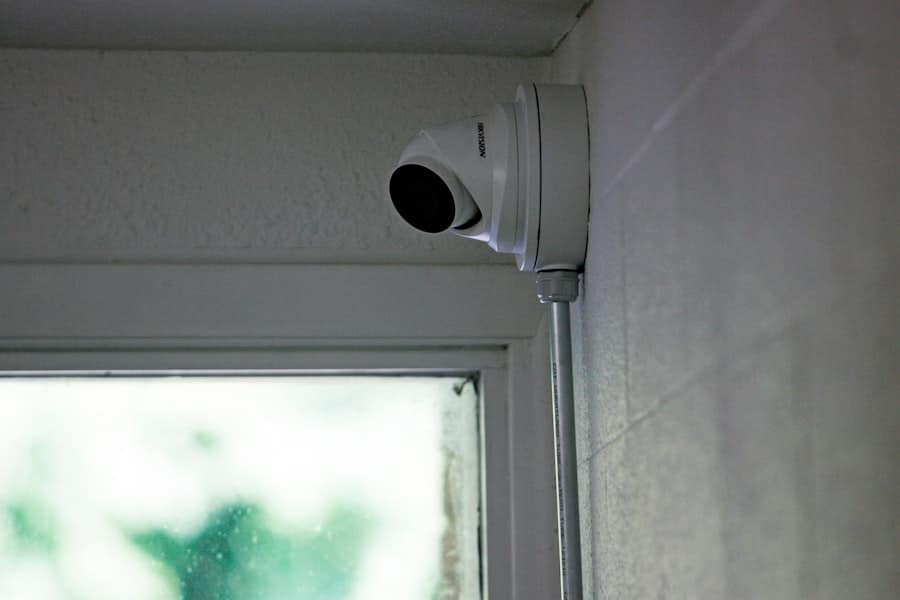
Choosing a home security service is akin to selecting a guardian for your home. You need a provider that is reliable, responsive, and offers a solution tailored to your specific needs. This section will outline the key considerations when making your selection.
Installation Options
The method of installation can significantly impact the overall cost and convenience of your security system. Each approach has its own set of advantages and disadvantages.
Professional Installation
- Benefits: Professional installers are trained to ensure optimal placement of sensors, cameras, and control panels. They can also handle wiring and system configuration, minimizing the risk of errors and ensuring the system functions correctly from the outset. This is like having a skilled surgeon perform a delicate operation.
- Considerations: Professional installation typically involves a higher upfront cost compared to DIY options. Scheduling an appointment can also require advance planning.
DIY (Do-It-Yourself) Installation
- Benefits: DIY systems are generally more affordable, as they eliminate installation labor costs. They offer the flexibility to install the system at your own pace and in a manner that suits your schedule. This is like assembling your own fortress, brick by brick.
- Considerations: While many DIY systems are designed for ease of installation, some technical aptitude may be required. Incorrect installation can lead to system malfunctions or compromised security. Customer support for troubleshooting may also be a factor.
Monitoring Plans and Costs
The ongoing costs associated with a security system are primarily driven by the monitoring plan you choose. These plans are the lifeblood of your security, ensuring constant vigilance.
Monthly Monitoring Fees
- Factors Influencing Fees: The cost of monthly monitoring varies based on the level of service, the types of sensors included, and whether cellular backup is provided.
- Comparing Plans: It is essential to compare the features and pricing of different monitoring plans from various providers. Understand what is included in each tier.
Contract Lengths and Cancellation Policies
- Commitment Periods: Many security providers require customers to sign long-term contracts, often ranging from 1 to 3 years.
- Cancellation Fees: Carefully review the terms and conditions regarding contract cancellation, including any associated fees or penalties. Early termination without cause can be costly.
Customer Service and Support
The responsiveness and quality of customer service can be a crucial differentiator, especially when facing technical issues or during emergencies. This is the responsive ear that listens to your concerns.
Availability and Responsiveness
- 24/7 Support: For a security system, having access to support around the clock is highly beneficial.
- Contact Methods: Inquire about the available channels for customer support, such as phone, email, chat, or a dedicated mobile app.
Troubleshooting and Technical Assistance
- Expertise of Technicians: The knowledge and experience of the support staff are important for resolving technical issues efficiently.
- Online Resources: Many companies offer online knowledge bases, FAQs, and video tutorials that can assist with common problems.
Technology and Features
The specific technology and features offered by a security service provider will determine the overall effectiveness and user experience of the system. This is the arsenal of tools available to protect your home.
Equipment Quality and Aesthetics
- Durability and Reliability: The physical components of the security system should be durable and reliable, designed to withstand regular use and environmental factors.
- Discreet Design: Many homeowners prefer security equipment that can be discreetly integrated into their home’s decor.
Mobile App Functionality
- Ease of Use: A well-designed mobile app should be intuitive and easy to navigate, allowing for seamless control of the security system.
- Remote Access and Control: The app should provide comprehensive remote access to arm/disarm the system, view camera feeds, and receive alerts.
Local Presence and Reputation in Gilbert
Understanding a provider’s standing within the Gilbert community can offer valuable insights. This is the community’s trust, a testament to their service.
Reviews and Ratings
- Online Reviews: Research online reviews from existing customers in Gilbert and surrounding areas. Websites like Google Reviews, Yelp, and the Better Business Bureau can be useful resources.
- Local Testimonials: Look for testimonials or case studies that highlight successful installations and positive customer experiences within the Gilbert area.
Alarm Permit Requirements
- City Ordinances: Gilbert, like many municipalities, may have specific requirements for alarm permits. A reputable security provider will be knowledgeable about these regulations and can assist you in obtaining the necessary permits.
- False Alarm Fines: Understanding the local ordinances regarding false alarms is important, as repeated false alarms can result in fines.
Top Home Security System Providers in Gilbert, Arizona
While this guide provides a framework for evaluation, it is important to research specific companies operating in Gilbert. The security landscape is dynamic, and new providers may emerge, while existing ones refine their offerings. The following are categories of providers you might encounter, along with common considerations.
National Security Providers with Local Presence
These are large, established companies that have expanded their services to the Gilbert area. They often offer a wide range of technologies and comprehensive monitoring.
- Strengths: Robust infrastructure, established brand recognition, potentially advanced technology.
- Considerations: May have more standardized packages, customer service can sometimes feel less personal than smaller, local providers.
Local Security Companies in Gilbert
These companies are rooted in the Gilbert community and often pride themselves on personalized service and deep understanding of local needs.
- Strengths: Local knowledge, potentially more tailored solutions, direct communication with local support.
- Considerations: May have a more limited range of advanced technologies compared to national giants, reputation is heavily reliant on local satisfaction.
DIY Security Brands with Professional Monitoring Options
These brands often focus on user-friendly DIY installation but also partner with professional monitoring services.
- Strengths: Lower upfront equipment costs, flexibility in installation, option for professional monitoring.
- Considerations: Reliability of the DIY components and ease of integration with the monitoring service are key factors.
When considering the best home security system service in Gilbert, Arizona, it’s essential to also think about how to effectively respond in case of an emergency. A well-structured emergency response plan can significantly enhance your safety measures. For more insights on creating such a plan, you can refer to this informative article on building an emergency response plan. This resource complements your home security efforts by ensuring that you are prepared for any unforeseen situations.
Making Your Final Decision
| Service Provider | Monitoring Type | Equipment Included | Installation Type | Customer Rating (out of 5) | Response Time (minutes) | Contract Length | Additional Features |
|---|---|---|---|---|---|---|---|
| SafeHome Security | 24/7 Professional Monitoring | Control Panel, Door/Window Sensors, Motion Detectors, Cameras | Professional Installation | 4.7 | 30 | 12 months | Mobile App, Smart Home Integration, Video Monitoring |
| Guardian Alarm | 24/7 Professional Monitoring | Control Panel, Glass Break Sensors, Motion Detectors, Cameras | Professional Installation | 4.5 | 25 | 24 months | Remote Access, Environmental Sensors, Home Automation |
| SecureNet Systems | Self-Monitoring / Optional Professional | Wireless Sensors, Cameras, Keypad | DIY Installation | 4.3 | Varies | No Contract | Mobile Alerts, Video Storage, Voice Control |
| AlertHome Solutions | 24/7 Professional Monitoring | Control Panel, Door/Window Sensors, Motion Detectors | Professional Installation | 4.6 | 28 | 12 months | Smart Home Compatibility, Mobile App, Emergency Response |
| HomeSafe Security | Self-Monitoring | Wireless Sensors, Cameras | DIY Installation | 4.2 | Varies | No Contract | Mobile Alerts, Easy Setup, Video Monitoring |
After gathering information and evaluating potential providers, the final decision rests on aligning your identified needs with the offerings available. Think of this as the final fitting of your protective armor.
Comparing Quotes and Contracts
- Obtain Multiple Quotes: Never settle for the first quote you receive. Obtain detailed proposals from at least three different providers to compare pricing, equipment, and service terms.
- Read the Fine Print: Scrutinize every aspect of the contract, paying close attention to installation fees, monthly monitoring costs, contract length, cancellation policies, and warranty information.
Performing a Home Security Assessment
- On-Site Evaluation: Many reputable security companies offer free in-home consultations. This is an opportunity for them to assess your specific vulnerabilities and recommend a tailored solution.
- Ask Questions: Do not hesitate to ask the security consultant about their recommendations, the technology they use, and their response protocols.
Trust Your Instincts
- Provider Rapport: Beyond the technical specifications, consider your comfort level with the company and its representatives. Do you feel confident in their ability to protect your home?
- Customer Service Impression: The initial interactions you have with a security provider’s customer service team can be a good indicator of the ongoing support you can expect.
By approaching the selection of a home security system service in Gilbert, Arizona, with a methodical and informed perspective, you can ensure that you are investing in a solution that provides robust protection, peace of mind, and confidence in the safety of your home and family.
FAQs
What features should I look for in a home security system in Gilbert, Arizona?
When choosing a home security system in Gilbert, look for features such as 24/7 professional monitoring, mobile app control, video surveillance cameras, motion detectors, smart home integration, and reliable customer support.
Are there any local companies that provide home security services in Gilbert, Arizona?
Yes, several local and national companies offer home security services in Gilbert, including ADT, Vivint, Frontpoint, and local providers specializing in customized security solutions tailored to the Gilbert area.
How much does a typical home security system cost in Gilbert, Arizona?
The cost varies depending on the system’s features and monitoring services. Basic packages may start around $20 to $40 per month, with installation fees ranging from free to several hundred dollars. Customized systems with advanced features may cost more.
Is professional installation necessary for home security systems in Gilbert?
While some systems offer DIY installation, professional installation is recommended for optimal setup, especially for complex systems. Many providers in Gilbert offer professional installation to ensure all components work correctly and coverage is comprehensive.
Can home security systems in Gilbert be integrated with smart home devices?
Yes, many home security systems available in Gilbert support integration with smart home devices such as smart locks, lights, thermostats, and voice assistants, allowing for enhanced control and automation of home security.