
In today’s world, the importance of self-defense for kids cannot be overstated. As a parent, you may often worry about your child’s safety, especially in an environment where bullying and violence can occur. Teaching your child self-defense equips them with the skills to protect themselves physically and mentally.
It instills a sense of empowerment, allowing them to navigate social situations with confidence. By learning self-defense, children gain the ability to recognize potential threats and respond appropriately, which is crucial in fostering their independence and resilience. Moreover, self-defense training goes beyond just physical techniques; it encompasses mental preparedness as well.
Children learn to assess situations critically and make quick decisions, which can be invaluable in emergencies. This training can help them develop a strong sense of awareness about their surroundings, enabling them to avoid dangerous situations before they escalate. Ultimately, self-defense is not just about fighting back; it’s about teaching kids to stand up for themselves and make informed choices that prioritize their safety.
Key Takeaways
- Self defense training for kids is important for their safety and confidence.
- Kids can expect to learn basic self defense techniques and strategies in a self defense class.
- Self defense training can benefit children by improving their physical fitness and mental resilience.
- Finding the right self defense class for your child involves considering the instructor’s qualifications and teaching style.
- Kids self defense classes are typically designed for children within a specific age range, such as 5-12 years old.
What to Expect from a Kids Self Defense Class
When you enroll your child in a self-defense class, you can expect a structured environment where they will learn essential skills in a safe and supportive setting. Classes typically begin with warm-up exercises that promote physical fitness and flexibility, preparing your child for the techniques they will learn. Instructors often emphasize the importance of discipline and respect, setting the tone for a positive learning experience.
You may notice that the classes are designed to be engaging and fun, incorporating games and activities that keep children motivated while they learn. As your child progresses through the class, they will be introduced to various self-defense techniques tailored to their age and physical abilities. These may include basic strikes, escapes from holds, and strategies for de-escalating confrontations.
Instructors often use role-playing scenarios to help children practice their skills in realistic situations, allowing them to build confidence in their abilities. You can expect your child to leave each class feeling accomplished and eager to return, as they develop not only physical skills but also a sense of camaraderie with their peers.
The Benefits of Self Defense Training for Children
Self-defense training offers numerous benefits that extend far beyond physical safety. One of the most significant advantages is the boost in self-esteem that children experience as they learn new skills. As they master techniques and gain proficiency, they begin to view themselves as capable individuals who can handle challenging situations.
This newfound confidence often translates into other areas of their lives, such as academics and social interactions, where they may feel more empowered to express themselves and take on new challenges. Additionally, self-defense training fosters important life skills such as discipline, focus, and perseverance. Children learn that mastering a skill takes time and effort, teaching them the value of hard work and dedication.
These lessons can be applied in various aspects of their lives, helping them develop a strong work ethic that will serve them well in school and beyond. Furthermore, the friendships formed in self-defense classes can provide a supportive network for your child, enhancing their social skills and sense of belonging.
Finding the Right Self Defense Class for Your Child
When searching for the right self-defense class for your child, it’s essential to consider several factors to ensure a positive experience. Start by researching local options and reading reviews from other parents. Look for classes that are specifically designed for children, as these will typically have instructors trained in working with younger students.
It’s also important to visit the facility beforehand to assess its cleanliness and safety measures, ensuring it provides a welcoming environment for your child. Another critical aspect is the instructor’s qualifications and teaching style. You want someone who is not only skilled in self-defense but also has experience working with children.
A good instructor will create a supportive atmosphere where kids feel comfortable asking questions and making mistakes. Don’t hesitate to ask about the curriculum and how it aligns with your child’s needs and interests. By taking the time to find the right class, you can set your child up for success in their self-defense journey.
Understanding the Age Range for Kids Self Defense Classes
Understanding the appropriate age range for kids’ self-defense classes is crucial when considering enrollment. Many programs cater to specific age groups, typically starting as early as four or five years old. At this age, classes often focus on basic motor skills, coordination, and awareness rather than complex techniques.
As children grow older, they can transition into more advanced classes that teach practical self-defense strategies tailored to their developmental stage. It’s essential to recognize that each child is unique; some may be ready for more advanced training earlier than others. When evaluating classes, consider your child’s maturity level and ability to follow instructions.
Many schools offer introductory classes or trial sessions that allow you to gauge whether your child is ready for a more structured program. By understanding the age range and finding a suitable class, you can ensure that your child receives training that is both age-appropriate and effective.
The Curriculum and Techniques Taught in Kids Self Defense Classes
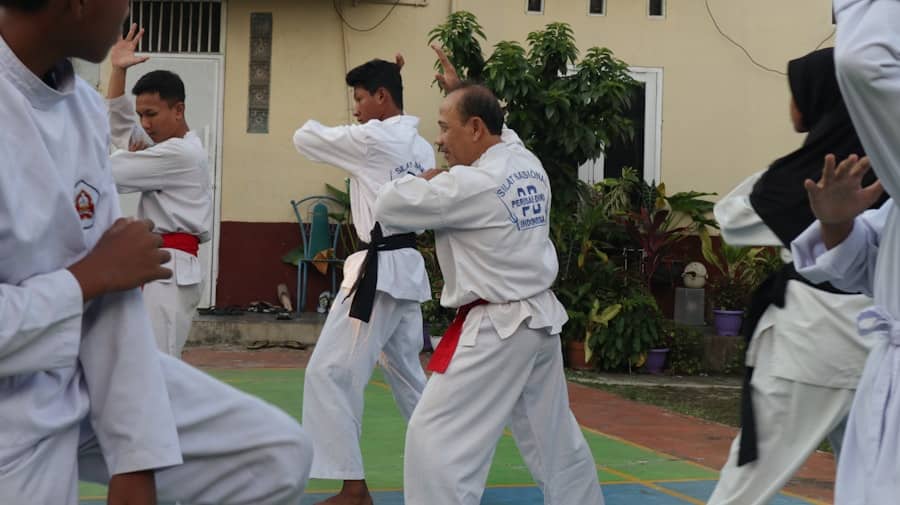
The curriculum of kids’ self-defense classes typically includes a variety of techniques designed to equip children with practical skills while keeping them engaged. Basic techniques often cover striking methods such as punches and kicks, as well as defensive maneuvers like blocking and evading attacks. Instructors may also teach ground defense techniques, which are essential for situations where a child may find themselves on the ground during an altercation.
In addition to physical techniques, many programs incorporate lessons on conflict resolution and situational awareness. Children learn how to identify potential threats and avoid dangerous situations before they escalate into physical confrontations. Role-playing scenarios are common in these classes, allowing kids to practice their skills in a controlled environment while receiving constructive feedback from instructors.
This comprehensive approach ensures that children not only learn how to defend themselves physically but also develop critical thinking skills that can help them navigate challenging social situations.
How Self Defense Classes Can Boost Confidence in Children
One of the most profound impacts of self-defense training is the boost in confidence it provides children. As they learn new techniques and successfully apply them in practice scenarios, they begin to see themselves as capable individuals who can handle difficult situations. This newfound confidence often spills over into other areas of their lives—whether it’s participating in school activities or making new friends—your child may find themselves more willing to step out of their comfort zone.
Moreover, self-defense classes foster a sense of accomplishment as children progress through different skill levels or belt ranks. Each achievement serves as a reminder of their hard work and dedication, reinforcing their belief in their abilities. This positive reinforcement can lead to improved self-esteem and resilience, helping them face challenges with a more optimistic outlook.
As a parent, witnessing this transformation can be incredibly rewarding, knowing that you have provided your child with tools that will benefit them throughout their life.
Safety Tips and Strategies Taught in Kids Self Defense Classes
In addition to physical techniques, kids’ self-defense classes emphasize safety tips and strategies that are crucial for personal protection. Children learn how to recognize potentially dangerous situations and understand the importance of trusting their instincts when something feels off. Instructors often teach kids how to set boundaries with others and communicate assertively without resorting to aggression.
Another vital aspect of safety education involves understanding how to seek help when needed. Children are taught about safe adults they can approach if they feel threatened or uncomfortable—whether it’s a teacher, parent, or trusted neighbor. They also learn about using technology responsibly, such as knowing when to call emergency services or how to use personal safety apps on smartphones.
By equipping your child with these strategies, you empower them to make informed decisions about their safety both inside and outside the classroom.
How Self Defense Training Can Help Kids Deal with Bullying
Bullying is an unfortunate reality for many children today, making self-defense training an invaluable resource in addressing this issue. Through self-defense classes, children learn not only how to physically defend themselves but also how to handle bullying situations with confidence and poise. They are taught strategies for de-escalating conflicts verbally before they escalate into physical confrontations.
Additionally, self-defense training helps children develop resilience against emotional bullying by fostering a strong sense of self-worth. As they gain confidence in their abilities, they become less susceptible to negative comments or actions from peers. Instructors often emphasize the importance of seeking help from trusted adults when faced with bullying situations, reinforcing that it’s okay to ask for support rather than facing challenges alone.
By equipping your child with these tools, you empower them to stand up against bullying while maintaining their dignity.
The Role of Parents in Supporting Their Child’s Self Defense Training
As a parent, your role in supporting your child’s self-defense training is crucial for their success and overall experience. Encouragement is key; by showing interest in what they are learning and celebrating their achievements—no matter how small—you help reinforce their commitment to training. Attend classes when possible or engage in discussions about what they’ve learned afterward; this involvement demonstrates that you value their efforts and are invested in their growth.
Additionally, fostering an open line of communication is essential for addressing any concerns your child may have about their training or experiences outside of class. Encourage them to share their feelings about what they’re learning or any challenges they face at school or home. By being an active participant in their journey toward self-defense mastery, you not only strengthen your bond but also empower them to take ownership of their safety and well-being.
Choosing a Reputable Kids Self Defense Class in Frisco, Texas
When it comes time to choose a reputable kids’ self-defense class in Frisco, Texas, there are several factors you should consider ensuring you make an informed decision. Start by researching local martial arts studios or community centers that offer specialized programs for children. Look for establishments with positive reviews from other parents and check if they have qualified instructors who are experienced in teaching kids.
Visiting potential classes can also provide valuable insight into the environment your child will be learning in. Pay attention to how instructors interact with students—do they foster a positive atmosphere? Are safety protocols followed?
Additionally, inquire about trial classes or introductory sessions so your child can experience the program firsthand before committing long-term. By taking these steps, you can find a reputable self-defense class that aligns with your child’s needs while ensuring they receive quality instruction in a safe environment. In conclusion, enrolling your child in a self-defense class offers numerous benefits that extend beyond physical safety; it fosters confidence, resilience, and essential life skills that will serve them well throughout their lives.
By understanding what to expect from these classes and actively supporting your child’s journey, you empower them to navigate challenges with strength and assurance.
If you’re considering enrolling your child in a self-defense class in Frisco, Texas, for ages 8-12, it’s essential to understand the broader context of personal safety and security. A related article that discusses non-lethal self-defense options for law enforcement can provide valuable insights into effective self-defense techniques and strategies. You can read more about it in this article on non-lethal self-defense for law enforcement: Non-Lethal Self Defense for Law Enforcement. This information can help parents make informed decisions about their children’s safety education.
FAQs
What is the purpose of a kids self-defense class for ages 8-12 in Frisco, Texas?
The purpose of a kids self-defense class for ages 8-12 in Frisco, Texas is to teach children essential self-defense techniques and strategies to protect themselves in potentially dangerous situations.
What are the benefits of enrolling a child in a self-defense class?
Enrolling a child in a self-defense class can help improve their confidence, physical fitness, and overall safety awareness. It can also teach them valuable skills for self-protection.
What can children expect to learn in a self-defense class?
Children can expect to learn basic self-defense techniques such as striking, blocking, and escaping from holds. They will also learn about situational awareness and how to recognize and avoid potential threats.
Who teaches the self-defense class for kids in Frisco, Texas?
The self-defense class for kids in Frisco, Texas is typically taught by experienced instructors who specialize in martial arts or self-defense training. These instructors are often certified and have a background in working with children.
How can parents enroll their child in a self-defense class in Frisco, Texas?
Parents can typically enroll their child in a self-defense class by contacting local martial arts studios, community centers, or self-defense training facilities in Frisco, Texas. They can inquire about class schedules, fees, and any specific requirements for enrollment.